/filters:format(jpeg,png)/fit-in/300x300/guide_websites/56349/images/image-2025-12-24t151529.211.png)
/filters:format(jpeg,png)/fit-in/237x80/guide_websites/56349/images/image-2025-12-24t151529.211.png)
Best Time to Fish Lake Lavon: A Complete Seasonal Angling Guide
%2Ffit-in%2F1000x1000%2Ffilters%3Aformat(webp)%2Fguide_websites%2F56349%2Fimages%2F1766572694356image-2025-12-24t183710.791.png&w=1920&q=75)
Published: September 15, 2026
Located just a short drive northeast of the Dallas-Fort Worth metroplex, Lake Lavon is widely recognised as one of the premier freshwater fisheries in North Texas. Spanning more than twenty-one thousand acres, this expansive reservoir provides incredible habitats for a variety of sought-after sportfish, including aggressive white bass, hard-fighting hybrid striped bass, crappie, and monster blue catfish. However, the difference between an average day on the water and an extraordinary, rod-bending adventure almost always comes down to timing.
Fish behaviour, feeding windows, and holding depths change dramatically as the Texas seasons progress. While spring brings explosive shallow-water spawning migrations, the high heat of summer demands early-morning surface tactics, and the chill of winter creates world-class opportunities for heavyweight trophy catfish.
Whether you are an experienced angler looking to beat your personal best or planning a fun weekend outing for the whole family, understanding these seasonal rhythms is the key to unlocking the reservoir's full potential. This comprehensive guide explores the best time of year to fish the lake, breaks down seasonal tactics for top species, covers essential licensing requirements, and explains how partnering with a professional local outfitter ensures an unforgettable day on the water.
Seasonal Breakdown: When to Target Prime Species
Understanding how seasonal transitions affect water temperature, forage movements, and fish location will help you plan your excursion for maximum success.
Spring (March to May): Spawning Runs and Fast-Paced Action
Spring is widely regarded by local anglers as the most electric time of year for fishing at lake lavon. As water temperatures rise into the 15°C to 20°C range, immense schools of white bass and crappie begin their annual reproductive cycles.
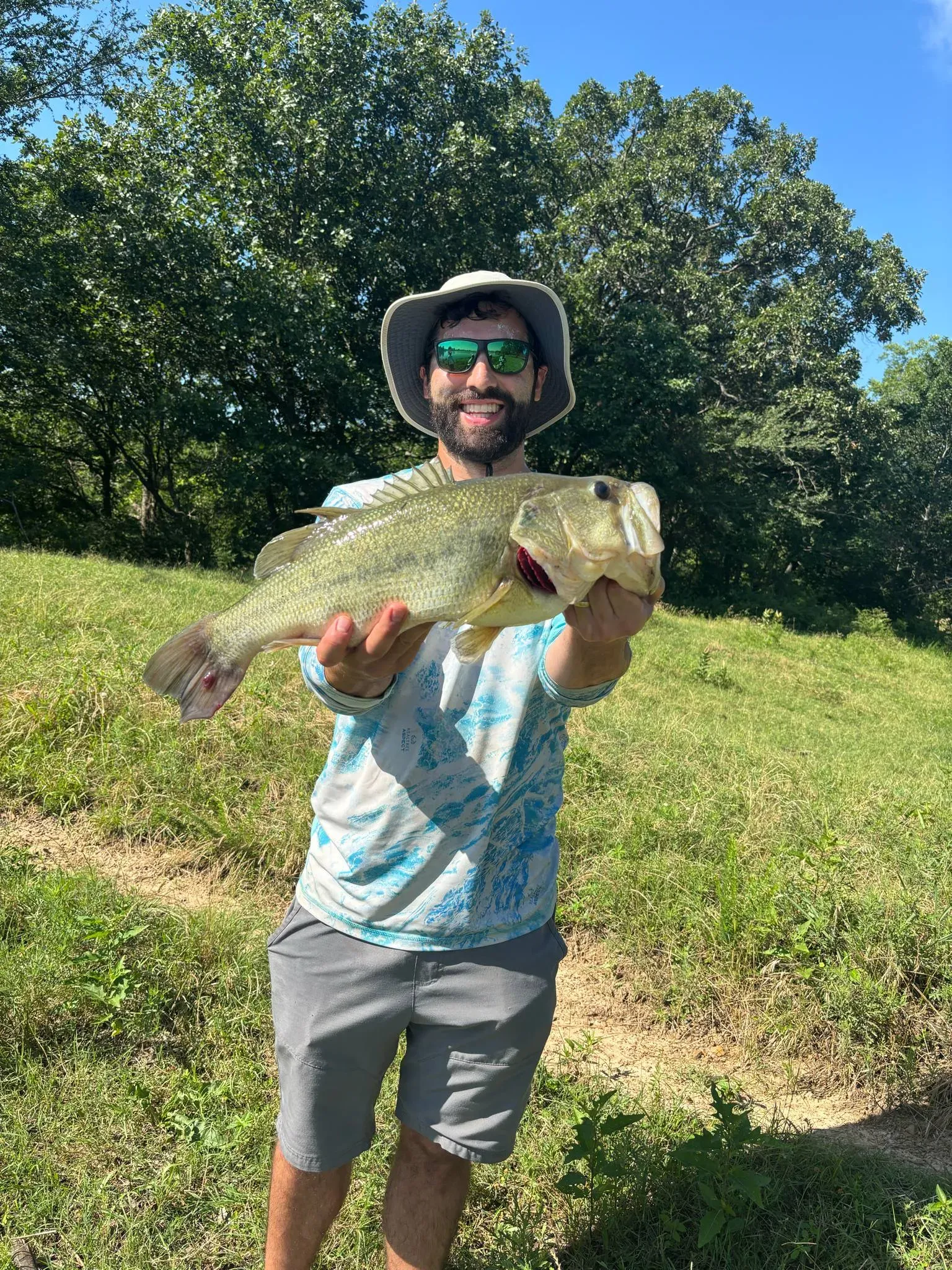
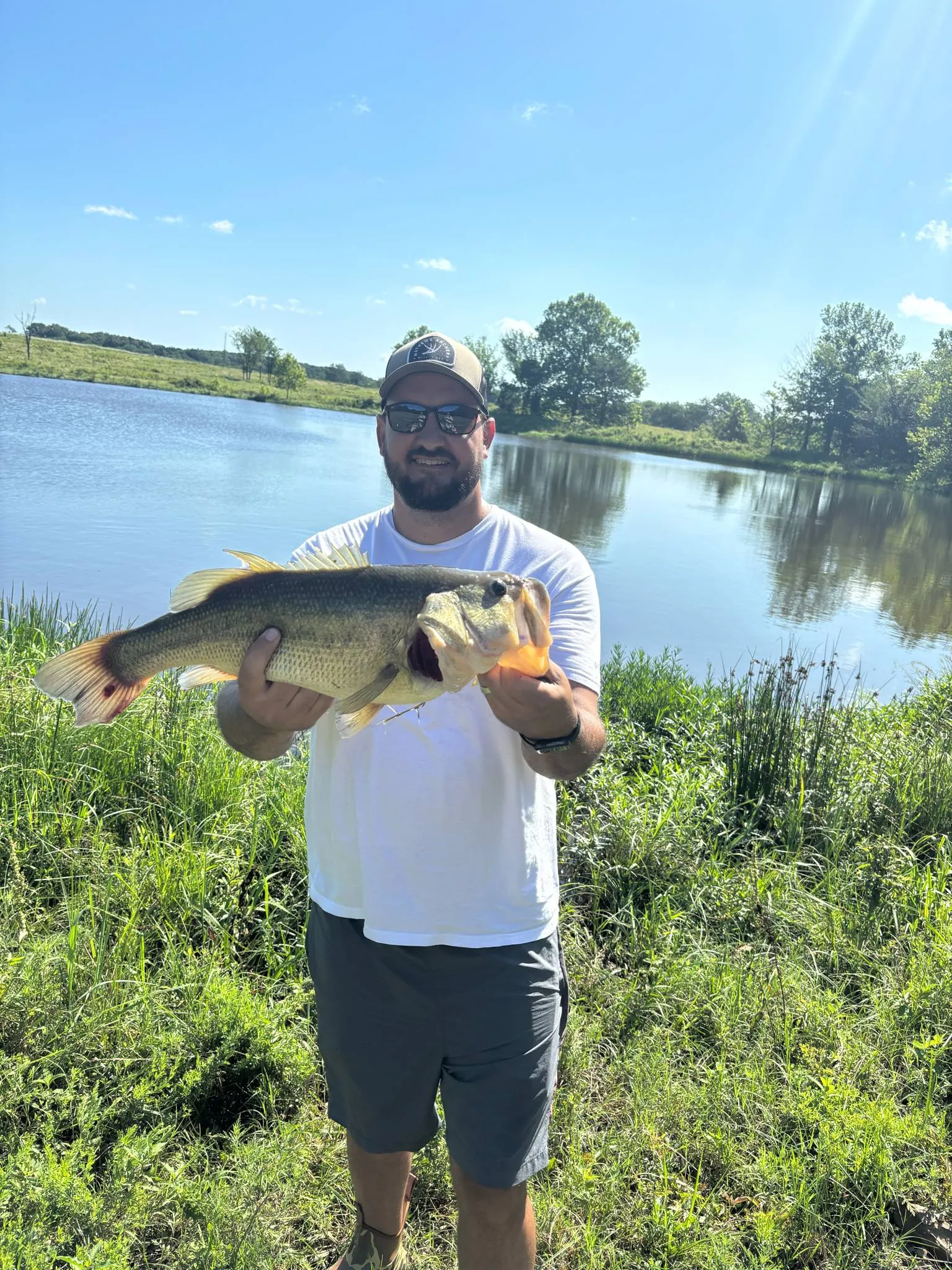
During March and April, white bass push upstream into major tributaries such as the East Fork of the Trinity River and tributary creek channels. Anglers casting small jigs, inline spinners, and spoons into current seams and shallow gravel beds often experience non-stop action.
Concurrently, crappie move into shallow, submerged timber, brush piles, and riprap banks to spawn. Pitching minnows or small soft-plastic tube jigs beneath slip floats around shallow cover in two to six feet of water is exceptionally productive.
As spring transitions into May, post-spawn white bass return to the main body of the lake, aggressively chasing schooling shad across secondary points and shallow flats. Reviewing the diverse Lake Lewisville Fishing Species profiles provides further insight into how these predators interact across North Texas reservoirs throughout the spring.
Summer (June to August): Early Mornings and Thermocline Tactics
When the Texas summer arrives and surface water temperatures climb towards 30°C, angling strategies must adapt to the heat. During this period, timing your outing around low-light feeding windows is essential.
In June and July, early mornings and late evenings produce heart-stopping topwater action. Massive schools of white bass and hybrid striped bass push threadfin shad to the surface, creating visible surface boils that can cover entire acres of water. Anglers casting clear spooks, poppers, or small inline spinners directly into these feeding frenzies can hook a fish on virtually every cast.
As the sun rises and the day heats up, gamefish retreat beneath the surface thermocline, typically holding along deep humps, underwater ridges, and submerged roadbeds in fifteen to twenty-five feet of water. Vertically jigging silver slabs, tail-spinners, or live bait directly through these suspended schools becomes the most consistent method for midsummer success.
Autumn (September to November): Aggressive Feeding Frenzies
As ambient temperatures cool and daylight hours shorten, the aquatic environment experiences another major shift. Autumn brings stable weather, dropping water temperatures, and aggressive feeding behaviour as predators actively gorge on baitfish to build fat reserves for winter.
During October and November, hybrid striped bass and white bass roam main-lake points, wind-blown shorelines, and expansive flats. Trolling deep-diving crankbaits or casting heavy swimbaits along drop-offs produces savage strikes.
Channel catfish also feed heavily along shallow mudflats and creek channels, making punch bait and cut shad deadly presentations. With recreational boat traffic dropping significantly after the summer holidays, autumn offers some of the most peaceful and productive days for fishing in lake lavon.
Winter (December to February): The Season for Trophy Blue Catfish
While many fair-weather anglers store their boats during the colder months, winter is the undisputed prime season for landing a true trophy blue catfish.
During December, January, and February, giant blue catfish congregate in deep river channels, old creek beds, and deep-water basins ranging from twenty-five to forty feet in depth. These massive bottom-dwellers feed heavily on winter-stressed gizzard shad.
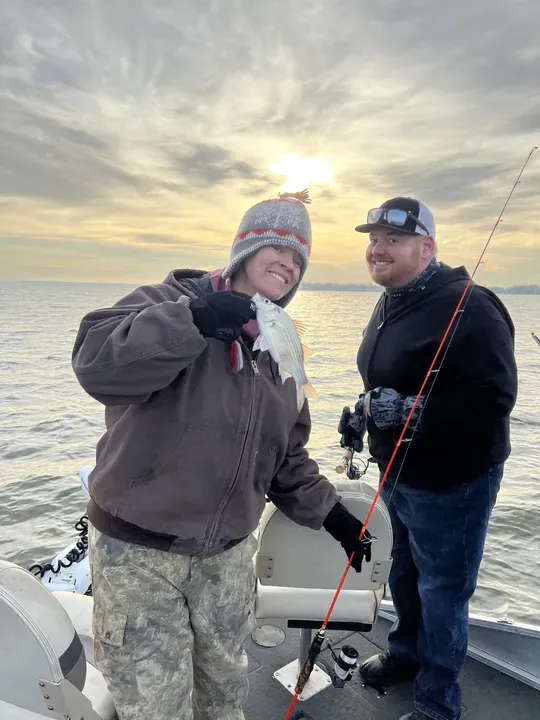
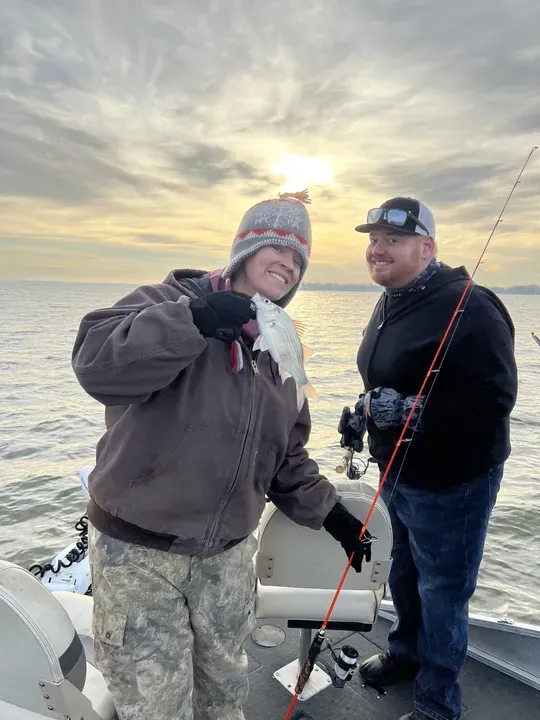
Employing heavy tackle, planer boards, and large chunks of fresh cut bait drifted slowly along deep ledges gives anglers a legitimate opportunity to battle monster catfish exceeding thirty to fifty pounds. On sunny winter afternoons, crappie also gather tightly around deep marina docks and submerged bridge pilings, offering steady vertical-jigging action for patient anglers.
Understanding Local Conditions and Environmental Factors
Beyond the calendar season, daily environmental variables play a significant role in dictating where fish feed and how aggressively they strike.
Reading the Lake Lavon Fishing Report
Monitoring a dependable, up-to-date lake lavon fishing report prior to your trip provides valuable intelligence on current water clarity, recent lake level fluctuations, and the specific depths where fish are currently holding.
Because North Texas weather can shift rapidly with incoming cold fronts or heavy rainfall, tracking local reports helps you choose the most effective lures and techniques before you launch your boat.
Weather Fronts, Barometric Pressure, and Water Levels
Barometric pressure heavily influences fish activity across the reservoir. The period immediately preceding an approaching cold front—characterised by falling barometric pressure and cloud cover—often triggers intensive, aggressive feeding windows.
Conversely, the bright bluebird skies and high-pressure conditions that follow a front can temporarily cause fish to hold tighter to deep cover, requiring slower, more subtle finesse presentations.
Water levels also dictate structure availability; when the lake is high, fish push deep into flooded shoreline brush, whereas lower water levels concentrate gamefish around main-lake points and offshore humps.
Essential Legalities: Licences and Regulations
Before heading out onto the water, ensuring that every member of your party complies with state conservation laws is an absolute requirement.
Securing Your Texas Freshwater Fishing License
All anglers aged seventeen and older must possess a valid permit before casting a line in public fresh water. A common question among visiting tourists and residents is how to get a fishing license in texas.
The Texas Parks and Wildlife Department (TPWD) offers an efficient digital portal where you can purchase your credentials online within minutes. Licences can also be obtained in person at hundreds of local sporting goods stores, tackle shops, and regional TPWD offices.
Whether you need a comprehensive texas freshwater fishing license for the entire season or a simple one day fishing license texas for a brief weekend outing, options are available to fit every itinerary. For a complete, step-by-step walkthrough on purchasing your credentials and reviewing permit categories, explore our detailed guide to help you Get Your Valid Texas Fishing License prior to your visit.
Age Guidelines and Special Exemptions
Anglers often inquire, what age do you need a fishing license in texas? In Texas, youths under the age of 17 are completely exempt from licence requirements and may fish legally without a permit. Senior resident discounts are also available for anglers aged 65 and older.
Furthermore, some visitors ask, can you fish in texas without a license? Texas law allows licence-free fishing from the bank or a pier located entirely within a designated Texas State Park, and the state hosts a free fishing day on the first Saturday of June each year. However, when fishing from a boat on public waters like Lake Lavon, a valid licence is strictly mandatory for all adults.
Maximising Your Success with Professional Charters
Navigating a massive twenty-one-thousand-acre reservoir, interpreting marine electronics, and locating moving schools of open-water fish can be challenging without extensive local experience.
The Value of Local Expertise on the Water
Partnering with a seasoned lake lavon fishing guide removes the guesswork from your day. Experienced guides spend hundreds of days on the water each year, monitoring daily fish migrations, water clarity shifts, and structural holding patterns.
By utilising professional lake lavon fishing guide services, you gain access to top-tier marine electronics, premium rods and reels, and custom terminal rigs tailored specifically to the day’s conditions. Whether you are seeking high-action white bass trips for children or an intensive trophy catfish hunt, private lake lavon fishing charters offer a comfortable, educational, and productive environment for anglers of all skill levels. To discover more about the specialised trip options available, review our detailed overview of Lake Lavon Fishing Guide Services.
Additionally, if your travel plans include exploring other renowned regional fisheries, reviewing our guide on Things To Do In Lake Lewisville provides fantastic suggestions for dining, parks, and attractions across the greater North Texas region.
Elevate Your Adventure with ZD Fishing Guide
When it comes to experiencing the absolute finest angling North Texas has to offer, booking your trip with a dedicated, service-focused professional makes all the difference.
Led by Captain Zachary Esch, ZD Fishing Guide provides premier guided excursions tailored around seasonal bites and peak feeding windows. Growing up around the local waters of Wylie and Lake Lavon, Captain Zachary blends deep local knowledge with advanced, highly technical angling methods learned across varied northern fisheries, delivering a fresh and exceptionally effective approach on the water.
Operating aboard a spacious, highly stable 24-foot Lowe Deck Boat powered by a reliable 150HP Yamaha outboard, ZD Fishing Guide offers a comfortable, safe, and family-friendly setting. The vessel is fully outfitted with advanced sonar, fish-finding electronics, and premium tackle, ensuring more time spent catching fish and less time searching. With a primary focus on outstanding customer hospitality, patient instruction, and productive results, every charter is custom-tailored to meet the goals of your group.
Conclusion
Timing your trip to match the natural seasonal rhythms of Lake Lavon is the secret to experiencing world-class freshwater angling in North Texas. From the explosive, surface-boiling white bass action of spring and summer mornings to the heavy, powerful battles with winter blue catfish, every season delivers its own unique excitement.
By understanding temperature triggers, following recent conditions, securing your state licence, and trusting your outing to an experienced local professional, you set the foundation for an unforgettable outdoor triumph. The water is calling, the fish are active, and an exceptional adventure is waiting. Check the calendar, choose your target season, and Book Now to reserve your private, expertly guided Lake Lavon fishing adventure today.
Frequently Asked Questions (FAQs)
1. What is the absolute best month for white bass fishing on Lake Lavon?
April and May are widely regarded as the peak months for white bass. During this period, post-spawn fish return to the main lake in massive numbers and feed aggressively on schooling shad across shallow points and open flats.
2. Is summer fishing productive despite the Texas heat?
Yes, summer fishing can be exceptionally productive if you fish during early-morning or late-evening low-light windows when schooling white bass and hybrid stripers create visible surface boils. During the middle of the day, vertical jigging in deep water below the thermocline remains effective.
3. When is the best time of year to catch giant blue catfish?
December through February is the premier window for targeting trophy blue catfish. Cold water concentrates massive catfish in deep river channels and basins where they actively feed on winter-stressed baitfish.
4. Do children need a Texas fishing licence on a guided charter?
No. In Texas, youths under seventeen years of age are not required to purchase a fishing licence. However, all adults aged seventeen and older in the party must hold a valid Texas freshwater fishing licence.
5. What should I bring on a guided fishing trip?
You should bring a valid Texas fishing licence, weather-appropriate layered clothing, non-spray sunscreen, polarised sunglasses, a hat, and your preferred snacks and drinks. Your guide provides all rods, reels, tackle, bait, and safety equipment.