
Lake Lewisville Fishing Guide

Published: November 17, 2026
Lake Lewisville fishing offers anglers the chance to target several freshwater species in a large North Texas reservoir. The lake has a mix of open water, creek channels, points, rocky areas, timber, and shoreline cover that can hold fish in different conditions. Knowing what species are available and where they are likely to move can help you choose better fishing spots and techniques. Bass, catfish, crappie, and white bass are among the fish anglers commonly target. Water temperature, depth, weather, bait movement, and seasonal changes can all affect where fish are found. For anglers new to the lake, working with a Lake Lewisville Fishing Guide can also make it easier to understand the water and select a productive fishing approach.
What Makes Lake Lewisville a Good Fishing Destination?
Lake Lewisville is a popular fishing destination because anglers can target different species using a variety of techniques. The lake's size and changing underwater structure also mean that fish may move between shallow and deeper areas as conditions change.
A Variety of Fish
Different species give anglers several ways to plan a fishing trip.
You can target:
- Largemouth bass
- White bass
- Crappie
- Catfish
- Other freshwater species
Each species responds differently to water conditions, bait, depth, and structure, so your approach should match the fish you are targeting.
Different Types of Fishing Water
The lake includes several types of areas that can hold fish, such as:
- Creek channels
- Points
- Shoreline cover
- Rocky areas
- Timber
- Deeper open water
These features can become more or less useful as fish move throughout the year.
Fishing Opportunities Throughout the Year
Fishing at Lake Lewisville can be productive during different parts of the year, but the species and techniques that work best can change with the season. Water temperature is one of the main factors to watch. Fish often change their depth and location as the water warms or cools, which means the same spot may not produce equally well all year.
What Fish Can You Catch in Lake Lewisville?
Understanding the main Lake Lewisville fish species can help you decide what type of trip to plan. Different fish have different feeding habits and preferred areas.
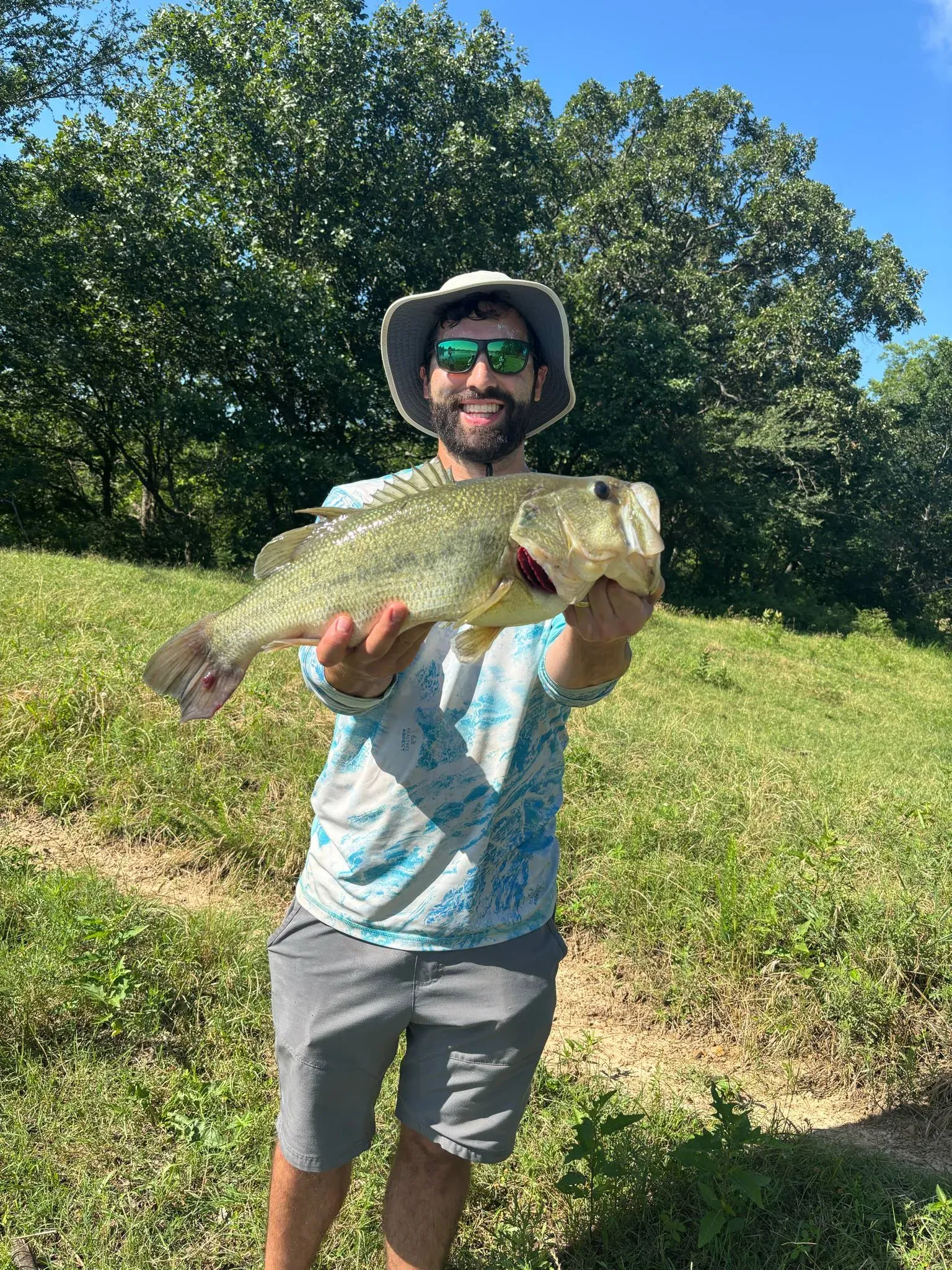
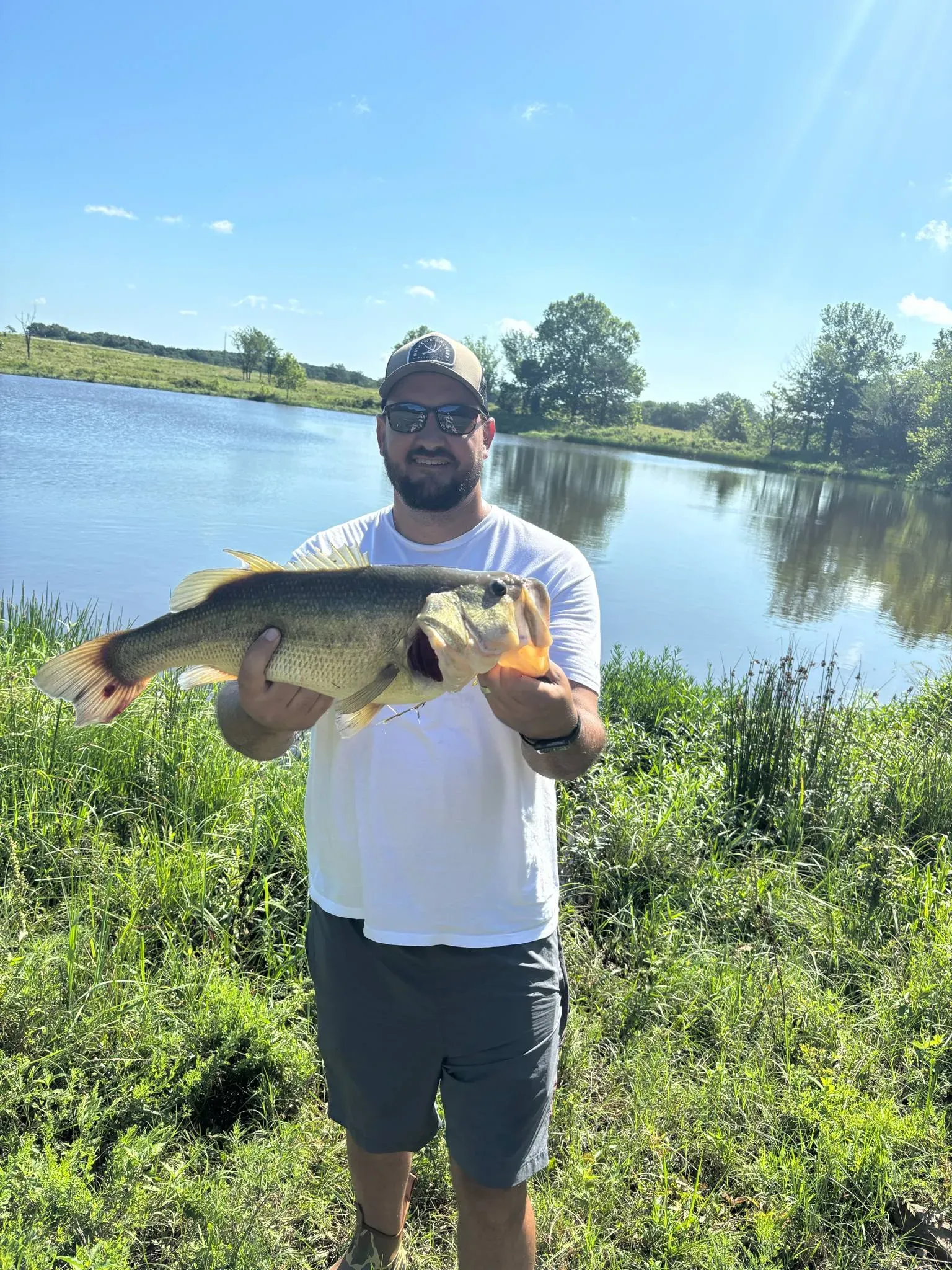
Largemouth Bass
Largemouth bass are a popular target for anglers who enjoy casting artificial lures around structure and cover. Bass may use:
- Shoreline cover
- Timber
- Points
- Creek channels
- Areas with baitfish
Their location can change with water temperature, weather, and available forage.
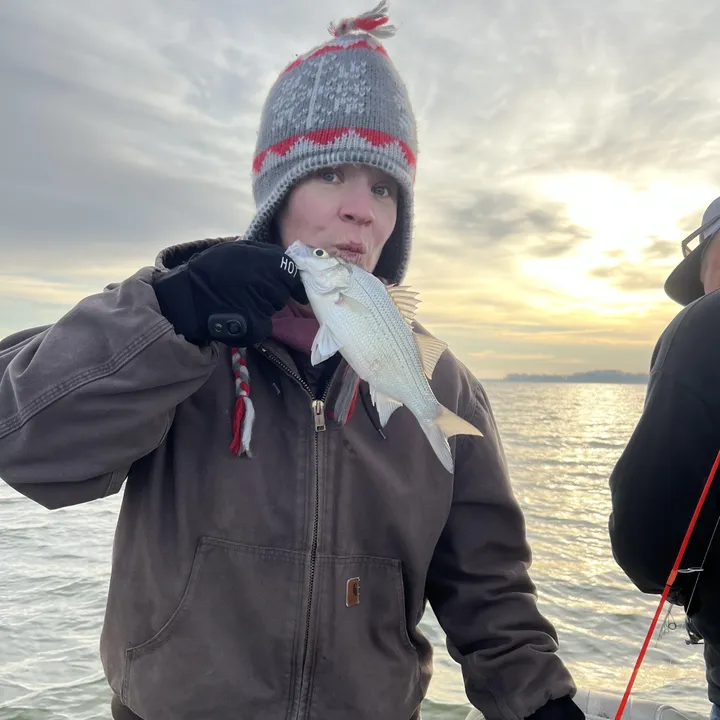
White Bass
White bass are another popular target, particularly when they are actively feeding on baitfish. Anglers may look for them around:
- Creek channels
- Open-water baitfish
- Points
- Areas where bait is concentrated
Spoons, jigs, and other small lures can be useful depending on conditions and the time of year.
Crappie
Crappie often relate to structure and can be found around submerged cover, timber, and other areas that provide protection. Common approaches include:
- Small jigs
- Live minnows
- Vertical presentations
- Fishing around submerged structure
Finding the right depth is often important when fishing in Lake Lewisville for crappie.
Catfish
Lake Lewisville is also known for catfish fishing. Anglers may target catfish in deeper water, around channels, and near areas where food is available. Common catfish techniques include:
- Bottom fishing
- Cut bait
- Prepared bait
- Fishing deeper areas
The best presentation depends on the species being targeted and current water conditions.
Where Are the Best Places to Fish on Lake Lewisville?
There is no single fishing spot that stays productive all year. Fish move based on food, water temperature, weather, depth, and seasonal patterns. Instead of focusing only on a named location, learn to identify the types of structure that fish are likely to use.
Creek Channels
Creek channels provide deeper travel routes and can be important areas when fish move between shallow and deeper water.
Look for:
- Channel edges
- Drop-offs
- Bends
- Nearby structure
Points
Points extend into the lake and create changes in depth and water movement. Fish may use these areas as they move between different parts of the lake. Points can be especially useful when searching for bass and other predatory fish.
Timber and Submerged Cover
Timber and other submerged structure can provide fish with places to feed and seek cover. When fishing around structure:
- Pay attention to depth
- Work your lure slowly when needed
- Watch for changes in bottom structure
- Be prepared for snags
- Adjust your presentation based on fish activity
Shoreline Areas
Shallow shoreline areas can become more important when fish move into warmer, shallower water or when baitfish are concentrated close to shore. Look for areas with:
- Cover
- Points
- Rocky banks
- Baitfish
- Changes in depth
Deeper Water
Fish may move deeper when conditions change or when they are following bait. Electronics can help anglers identify depth changes, structure, and potential fish-holding areas. A fishing guide Lake Lewisville can be particularly useful for anglers who are unfamiliar with the lake and want help understanding how these areas relate to current fishing conditions.
What Fishing Techniques Work Best on Lake Lewisville?
The best technique depends on the species, water conditions, depth, and time of year. Successful anglers adjust their presentation rather than relying on one method throughout the entire trip.
Casting Artificial Lures
Casting works well when targeting bass around cover, points, and other structure. Depending on conditions, anglers may use:
- Soft plastics
- Crankbaits
- Spinnerbaits
- Jigs
- Topwater lures
Match the lure size and action to the fish activity and available forage.
Jig and Minnow Fishing
Small jigs and live minnows can be effective for crappie, particularly around submerged structure. The key is finding the depth where fish are holding and keeping the bait in that zone.
Bottom Fishing
Bottom presentations are commonly used when targeting catfish.A basic setup can place bait near the lake bottom while allowing anglers to cover deeper areas where catfish may be holding.
Trolling
Trolling allows anglers to cover more water and can be useful when searching for active fish. It can help when:
- Fish are spread across an area
- You are locating bait or fish
- You need to cover different depths
- Fish are actively moving
Adjusting to Conditions
There is no single technique that works in every situation. Watch water conditions, bait activity, depth, and fish behavior throughout the trip. For Lake Lewisville fishing trips, changing your depth, lure, bait, or presentation can often be more useful than staying with a method that is not producing.
When Is the Best Time to Fish Lake Lewisville?
The best time for Lake Lewisville fishing depends on the species you want to catch, water temperature, bait activity, weather, and seasonal fish movement. Different periods of the year can favor different fishing techniques and target species.
Spring Fishing
Spring can bring increased fish activity as water temperatures rise and fish move into shallower areas. Bass and other species may become more active around structure, shoreline areas, and locations where bait is present.
During spring, anglers can try:
- Casting around shallow cover
- Fishing points and rocky areas
- Using moving lures for active bass
- Targeting crappie around structure
- Watching for baitfish activity
Summer Fishing
Summer heat can change fish behavior, particularly during the hottest parts of the day. Fish may move deeper or become more active during cooler periods, making early mornings, evenings, and deeper water important areas to consider. For fishing in Lake Lewisville during summer, anglers can focus on:
- Early morning fishing
- Deeper structure
- Creek channels
- Points
- Areas with baitfish
- Shaded cover
Fall Fishing
As temperatures begin to drop, fish activity and feeding patterns can change again. Baitfish movement can become important, and predatory fish may follow available forage into different parts of the lake.
Fall anglers can look for:
- Baitfish concentrations
- Points
- Creek channels
- Rocky areas
- Shallow feeding areas
Winter Fishing
Cooler water can slow fish activity, and many fish may spend more time in deeper areas or around specific structure. Slower presentations and careful attention to depth can become more important.
During winter, consider:
- Deeper water
- Channel edges
- Submerged structure
- Slower lure presentations
- Changes in water temperature
What Should You Bring for a Lake Lewisville Fishing Trip?
Packing for a fishing trip is easier when you know what equipment your guide provides and what you are expected to bring yourself. Weather, fishing method, trip length, and target species should all influence your personal packing list.
Fishing Equipment
A guided trip may provide rods, reels, tackle, bait, or other fishing equipment, but this varies by service. Confirm what is included before bringing your own gear.
If you are supplying your own equipment, consider:
- Rod and reel
- Fishing line
- Hooks
- Lures or bait
- Pliers
- Tackle box
- Landing net
Clothing and Weather Gear
North Texas weather can change during the day, so comfortable clothing and protection from the sun are important for longer periods on the water.
Bring:
- Lightweight, comfortable clothing
- Hat
- Sunglasses
- Sunscreen
- Rain jacket when needed
- Extra layer for cooler conditions
- Comfortable footwear
Personal Items
Small personal items can make a full day on the water much easier. Keep your belongings limited to what you actually need so there is enough room for fishing equipment and other gear.
Useful items include:
- Drinking water
- Snacks
- Phone
- Personal medications
- Camera
- Small dry bag for valuables
If you are booking a Lake Lewisville fishing guide, ask about the equipment and supplies included with the trip before you arrive.
How Do You Plan a Lake Lewisville Fishing Trip?
A little planning before you reach the lake can help you spend more of your trip fishing instead of sorting out basic details. Follow these steps to prepare:
- Choose Your Target Species: Decide whether you want to target bass, white bass, crappie, catfish, or another species. Your target will influence the fishing method, bait, tackle, and areas you should focus on.
- Select the Trip Length: Choose how much time you want to spend on the water. Morning, half-day, and full-day trips can suit different schedules, group sizes, and fishing goals.
- Check What the Guide Provides: Before booking, ask what your fishing guide Lake Lewisville package includes. Confirm the availability of rods, reels, tackle, bait or lures, boat access, trip duration, and meeting location.
- Check Weather and Water Conditions: Look at the forecast before your trip. Temperature, wind, rain, and water conditions can affect both comfort and fish activity.
- Plan What You Need for the Day: Confirm where and when you need to meet your guide and what personal items you should bring. Having everything ready beforehand gives you more time for fishing at Lake Lewisville.
Why Choose a Lake Lewisville Fishing Guide?
A local guide can provide practical knowledge that is difficult to gain from a single visit to a large reservoir. A guided trip can help you understand the lake, spend less time searching, and focus on fishing based on current conditions.
- Local Lake Knowledge: A guide familiar with Lake Lewisville can help identify productive types of structure, fishing areas, seasonal patterns, and changes in current conditions.
- Better Use of Fishing Time: Instead of spending much of your trip moving between areas without a clear plan, a guide can help focus your time around the target species and conditions.
- Knowledge of Fishing Techniques: Different fish respond to different presentations. A guide can show you how to work lures, present bait, adjust depth, and position the boat for the conditions.
- Help Finding Fish: Guides can use their knowledge of the lake and available fishing electronics to identify areas worth checking based on depth, structure, bait activity, and seasonal movement.
- Adjustments During the Trip: Fish may change location or feeding behavior during the day. A guide can adjust the fishing area, depth, lure, bait, or presentation when the original approach is not producing.
- Learning While Fishing: A guided Lake Lewisville fishing trip can help anglers learn how to read water, identify fish-holding structure, and understand why certain techniques work in specific conditions.
Why Choose ZD Fishing Guide for Lake Lewisville Fishing?
At ZD Fishing Guide, we help anglers spend productive time on the water with guided fishing experiences built around the lake and current conditions. Our guides can help anglers select fishing areas, use appropriate techniques, and adjust the plan as fish activity changes during the trip.
A guided trip can be useful for both visiting anglers and people who are less familiar with Lake Lewisville. Instead of spending much of the day trying to determine where to start, anglers can fish with guidance based on the target species, water conditions, structure, and seasonal patterns. We can also help make the trip easier by providing information about what to expect and what equipment is included.
Whether your goal is bass, white bass, crappie, or catfish, we can help you plan a Lake Lewisville fishing trip around your preferred fishing experience. Our focus is on giving anglers practical guidance while they enjoy their time on the water.
Conclusion
A Lake Lewisville fishing guide can make it easier to plan your time on the water, especially when you are unfamiliar with the lake or want to target a specific species. Understanding seasonal patterns, fish locations, techniques, equipment, and weather conditions can help you prepare for the trip. Lake Lewisville offers opportunities to target bass, white bass, crappie, and catfish around different types of structure and water depths. A guided trip also gives you the chance to learn how experienced anglers adjust their approach as conditions change. Whether you want to spend a morning fishing or plan a longer trip, ZD Fishing Guide can help you make the most of your time on Lake Lewisville. Contact ZD Fishing Guide to plan your Lake Lewisville fishing trip.
FAQs
1. What fish can you catch at Lake Lewisville?
Common targets include largemouth bass, white bass, crappie, and catfish, with techniques varying by species and conditions.
2. What is the best time to fish Lake Lewisville?
Fishing can be productive throughout the year, but the best season depends on the species, water temperature, weather, and fish activity.
3. Where should I fish on Lake Lewisville?
Points, creek channels, timber, rocky areas, shoreline cover, and deeper structure can all hold fish depending on current conditions.
4. What techniques work for Lake Lewisville fishing?
Anglers can use casting, jig and minnow fishing, bottom fishing, and trolling based on the target species and fishing conditions.
5. Is Lake Lewisville good for bass fishing?
Yes. Largemouth bass are a popular target, with anglers commonly fishing around cover, timber, points, and other structure.
6. Can I fish for catfish on Lake Lewisville?
Yes. Catfish can be targeted around deeper water, channels, and areas where food is available using suitable bait and bottom presentations.
7. What should I bring on a Lake Lewisville fishing trip?
Bring weather-appropriate clothing, sunglasses, sunscreen, drinking water, snacks, and any personal items you need. Confirm what fishing equipment is provided.
8. Do fishing guides provide rods and tackle?
This depends on the fishing service. Confirm whether rods, reels, tackle, bait, and other equipment are included before your trip.
9. Is a Lake Lewisville fishing guide useful for first-time visitors?
Yes. A guide can help visitors understand the lake, find suitable fishing areas, choose techniques, and adjust the plan based on current conditions.
10. How long should a guided Lake Lewisville fishing trip be?
Trip length depends on your schedule and fishing goals. Morning, half-day, and full-day options can suit different anglers and groups.