
Guided Hog Hunts in Southeastern Oklahoma

Published: November 17, 2026
Southeastern Oklahoma offers varied terrain, thick cover, water sources, and private ranch land that can create good conditions for Wild hog hunting Oklahoma. Hog movement can change with temperature, rainfall, food availability, and time of day, so knowing what to expect can help hunters plan their trip. Guided hunts can also make it easier to hunt unfamiliar land and focus on areas showing fresh hog activity. For hunters considering Oklahoma hog hunting trips, Southeastern Oklahoma provides several options, including daytime hunts and nighttime hunts using thermal equipment where permitted. The region offers different hunting conditions throughout the year, making seasonal planning important. Knowing where hogs move, what signs to look for, and how guided hunts work can help hunters prepare for a more productive and organized hunting trip.
Why Is Southeastern Oklahoma Good for Hog Hunting?
Southeastern Oklahoma has a mix of wooded areas, brush, open ground, creeks, ponds, and other habitat that wild hogs can use throughout the year. These conditions give hogs access to cover, water, and food while allowing them to change locations as weather and food sources change.
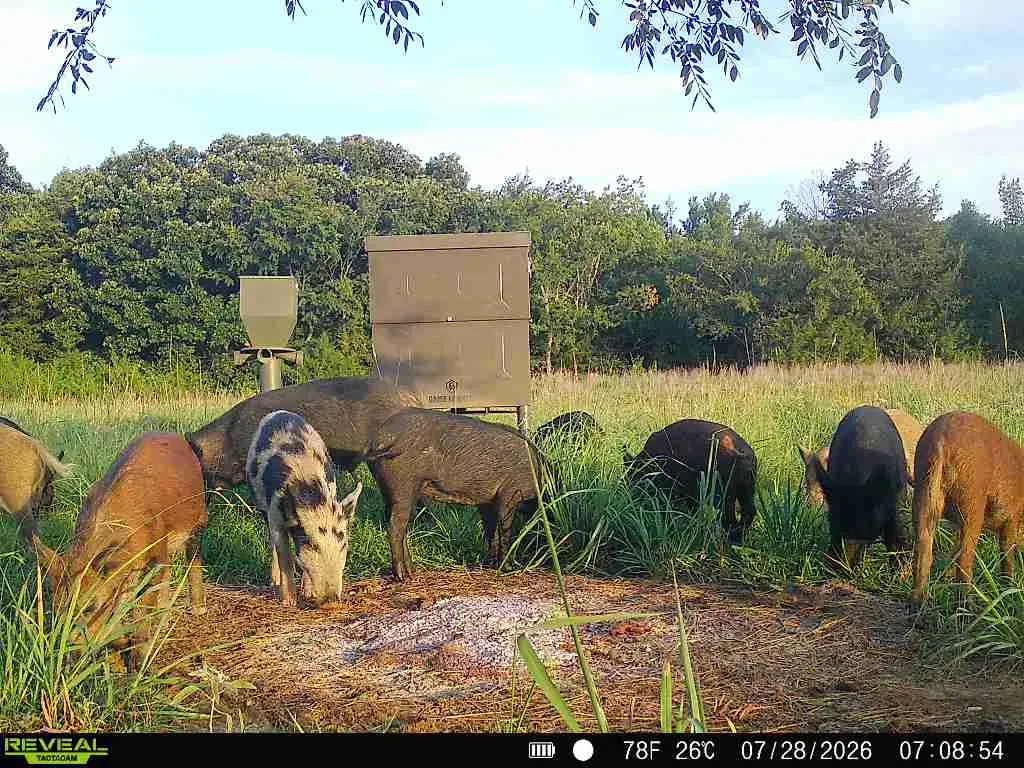
- Thick Cover Provides Daytime Shelter: Wild hogs often use dense vegetation, wooded areas, and brush for cover during the warmer parts of the day. These areas can make hogs harder to spot, but fresh tracks, broken vegetation, rooting, and trails can help identify recent movement.
- Water Can Influence Hog Movement: Creeks, ponds, and other water sources can become important during hot weather. Areas close to water may be worth checking when temperatures rise, especially when fresh tracks or other hog signs are present nearby.
- Food Sources Affect Travel Patterns: Hogs may move between bedding areas and locations where food is available. Open ground, agricultural areas, natural forage, and areas with fresh rooting can provide useful clues about where animals have recently been feeding.
- Varied Terrain Creates More Hunting Options: The combination of wooded areas, creek beds, open spaces, and thick vegetation creates different hunting conditions across the region. For Southeastern Oklahoma hog hunts, recent hog signs can help narrow down which parts of a property are most active.
What Can You Expect From Guided Hog Hunts in Oklahoma?What Can You Expect From Guided Hog Hunts in Oklahoma?
A guided hunt gives hunters access to someone familiar with the property and the areas where hogs are most likely to move. This can be especially useful for visitors who are unfamiliar with Southeastern Oklahoma or are hunting private land for the first time.
Private Land Access
Private land hog hunting Oklahoma can provide access to specific ranch areas that may not be available for public hunting. Before booking, hunters should confirm the size of the property, areas included in the hunt, and the type of access provided.
Help Finding Active Areas
Guides can help identify fresh signs such as tracks, rooting, wallows, trails, and feeding areas. These signs can provide better clues about recent hog movement than simply choosing an area because it looks suitable.
Different Hunting Methods
Guided hog hunts Oklahoma may involve different hunting methods depending on the property, season, time of day, and equipment available. Options can include hunting from established blinds, spot-and-stalk tactics, or nighttime hunting with thermal equipment.
Less Time Learning the Property
Hunters visiting from outside the region may spend significant time learning roads, terrain, water sources, and hog travel routes. A guided hunt can make that process easier and give hunters more time to focus on the hunt itself.
What Time of Year Is Best for Guided Wild Hog Hunting Oklahoma?
Wild hogs can be hunted throughout the year, but seasonal weather, food, and water conditions can change their movement. Knowing these differences helps hunters choose suitable dates.
Winter
Winter brings cooler temperatures across Oklahoma, which can make hogs more comfortable moving during daylight. Food availability and recent weather can also influence where they spend time.
- Temperature: Cooler conditions can encourage more daytime movement.
- Food: Hogs may spend more time searching for dependable food sources.
- Where to Look: Check feeding areas, wooded cover, and travel routes.
- What to Watch: Fresh tracks and rooting can help identify active areas.
Spring
Spring brings milder temperatures, rainfall, and changing food conditions. These factors can affect hog movement and create useful opportunities to identify fresh signs around feeding and water areas.
- Temperature: Mild weather can create comfortable movement conditions.
- Food: New vegetation and available forage can influence feeding patterns.
- Where to Look: Check food sources, water, and areas with fresh rooting.
- What to Watch: Rain can make tracks and other signs easier to identify.
Summer
Summer heat can change normal hog movement, especially during the hottest parts of the day. Hogs may seek shade and water before becoming more active during cooler hours.
- Temperature: High heat can reduce daytime movement.
- Water: Hogs may spend more time near ponds, creeks, and other water sources.
- Where to Look: Focus on shaded cover, water, and routes between bedding and feeding areas.
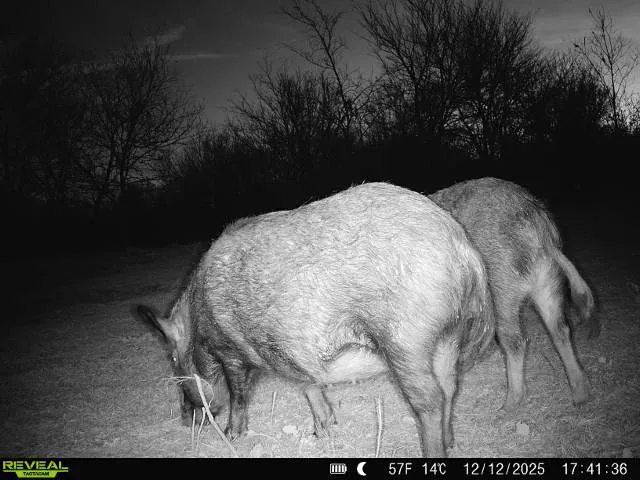
- What to Watch: Evening and nighttime movement can become more important for Thermal hog hunting Oklahoma.
Fall
Fall brings cooler temperatures and changing food conditions, giving hunters different opportunities to observe hog movement. Feeding areas and travel routes can become useful locations to monitor.
- Temperature: Cooler conditions can increase comfortable movement during the day.
- Food: Feeding areas can become useful places to monitor.
- Where to Look: Check food sources, wooded areas, and established travel trails.
- What to Watch: Fresh rooting and tracks can help confirm recent activity.
What Should You Bring for a Guided Hog Hunt?
Packing the right equipment can make a hog hunt more comfortable and practical. Your exact gear will depend on the season, hunting method, and what the guide provides.
Essential Hunting Gear
- Firearm and Ammunition: Bring the firearm and ammunition approved and appropriate for your hunt.
- Optics: Binoculars can help you scan open areas and identify movement from a distance.
- Lighting: Carry a dependable flashlight or other lighting equipment when appropriate for the hunt.
- Required Documents: Have your Oklahoma hunting license and any other required documents ready before arriving.
Clothing and Personal Gear
- Weather-Appropriate Clothing: Temperatures can change significantly between daytime and nighttime, so dress in layers when needed.
- Footwear: Choose comfortable, sturdy footwear suitable for walking through wooded areas, brush, and uneven ground.
- Water and Snacks: Carry enough water and food for the length of your hunt unless meals are provided.
- Personal Items: Bring any medication, personal equipment, or other items you normally need during an outdoor trip.
Before leaving, confirm what the hunting package provides. This prevents you from bringing unnecessary equipment or arriving without something important.
What Makes Guided Hog Hunts Different?
Guided hunts can be useful for hunters who are unfamiliar with the area or do not want to spend their trip learning a property from scratch. The guide's knowledge can help make the hunting process more organized.
Local Property Knowledge
- Guides know the property's roads, trails, water sources, and feeding areas.
- Local knowledge helps identify areas with recent hog activity.
- Guides can adjust hunting locations as hog movement changes.
- Familiarity with the land can save time during the hunt.
Focus on Fresh Signs
- Guides can help identify fresh tracks, rooting, wallows, and trails.
- Recent signs can indicate where hogs have been moving.
- Fresh rooting can point to active feeding areas.
- Current signs can help narrow down promising hunting locations.
Support With Hunting Methods
- Guides can explain how to use established blinds when available.
- Spot-and-stalk tactics may be used based on the property and conditions.
- Thermal equipment can support nighttime hunting where permitted.
- Hunting methods can change based on hog movement and weather.
More Time to Hunt
- Guides can reduce the time spent learning unfamiliar property.
- Hunters can focus more on observing hog movement.
- Preplanned hunting areas can make the trip more organized.
- Guided Oklahoma hog hunting trips can simplify trip preparation.
What Types of Guided Hog Hunts Are Available in Southeastern Oklahoma?
Guided hog hunts can vary based on the property, hunting time, and equipment used. Knowing the available options helps hunters choose a trip that matches their preferred hunting style.
- Night Hog Hunts: Night hunts target hogs during their active evening and nighttime periods, particularly during warmer months when daytime heat can reduce movement.
- Thermal Hog Hunts: Thermal hog hunting Oklahoma uses thermal optics to locate hogs by detecting heat in low-light conditions. This can be useful for nighttime hunting.
- Blind Hunts: Permanent or portable blinds provide a fixed position for watching areas where hogs are expected to feed, travel, or visit water.
- Spot-and-Stalk Hunts: Spot-and-stalk hunting involves locating hogs and carefully moving within range. This method can work well across suitable open areas, foothills, and creek beds.
Why Choose ZD Fishing Guide for Guided Hog Hunts Oklahoma?Why Choose ZD Fishing Guide for Guided Hog Hunts Oklahoma?
ZD Fishing Guide offers guided hog hunts on private Oklahoma ranch land, giving hunters access to dedicated hunting areas in Southeastern Oklahoma. We provide different hunting setups based on the package, including nighttime hunts, thermal equipment, permanent blinds, and spot-and-stalk options. Our goal is to make the hunting experience straightforward from arrival through the hunt.
Our private ranch options include access to a 260-acre working ranch in Oklahoma. We use thermal equipment and established blinds for nighttime hunting, while spot-and-stalk hunts can take place through suitable ranch terrain, including foothills and creek beds. These options allow us to adjust the hunting method based on the property and conditions.
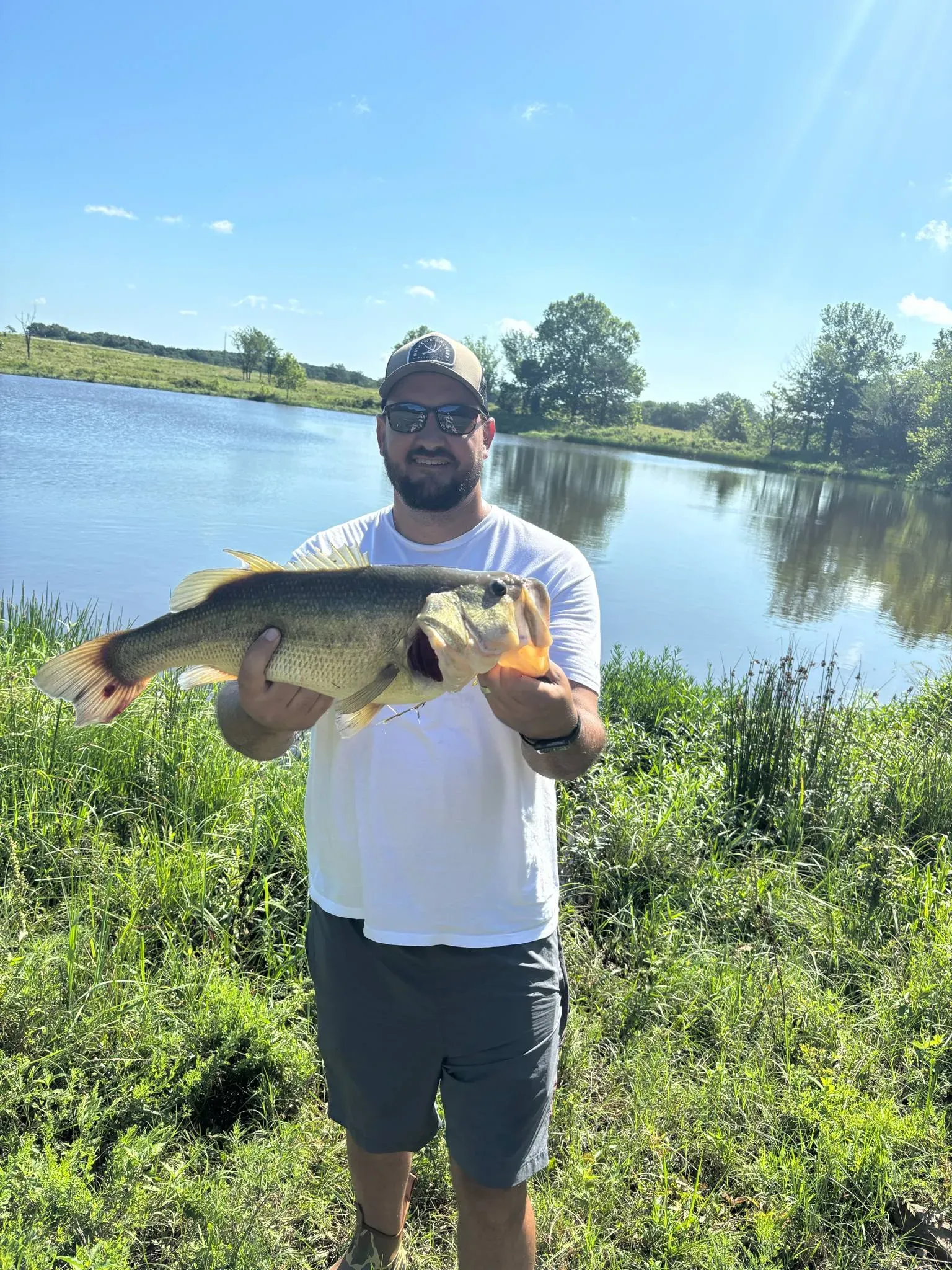
For hunters planning Oklahoma hog hunting trips, we also offer packages that can include an on-site cabin and meals. Some packages provide daytime access to stocked fishing ponds as an additional ranch activity. Package details vary, so we recommend confirming what is included before your trip.
Conclusion
Guided hog hunts Oklahoma can give hunters a practical way to experience private ranch hunting while benefiting from local property knowledge and established hunting setups. Southeastern Oklahoma offers varied terrain, water sources, thick cover, and feeding areas that can support wild hog activity throughout the year. Nighttime options can also provide a different hunting experience, especially when thermal equipment is available and permitted. Before booking, check the hunting method, property access, lodging, meals, equipment, schedule, and current licensing requirements. Choosing dates that match your preferred hunting conditions can also make trip planning easier.
If you are ready to plan a hunt on private Oklahoma ranch land, contact ZD Fishing Guide to discuss your next guided hog hunting trip and available dates.
Frequently Asked Questions
1. Is Southeastern Oklahoma good for wild hog hunting?
Yes. The region has wooded areas, thick cover, water sources, open ground, and private ranch properties that provide varied hog habitat.
2. What is the best time for hog hunting in Oklahoma?
Cooler periods can encourage more daytime movement, while hot weather may push hog activity toward evening and nighttime hours.
3. What is thermal hog hunting?
Thermal hunting uses equipment that detects heat from animals, helping hunters locate hogs in low-light or nighttime conditions.
4. Are guided hog hunts available at night?
Yes. Nighttime hog hunts can use thermal equipment, portable setups, or permanent blinds depending on the hunting package.
5. What hunting methods are used on guided hog hunts?
Hunting methods can include thermal hunting, established blinds, and spot-and-stalk tactics depending on the property and conditions.
6. Why hunt hogs on private land?
Private land provides dedicated access to a specific property where guides can identify active feeding areas, trails, water sources, and cover.
7. What signs show that hogs are nearby?
Fresh tracks, rooting, wallows, travel trails, disturbed ground, and activity around food or water can indicate recent hog movement.
8. Can I plan a weekend hog hunting trip?
Yes. Weekend hog hunts Oklahoma can be planned around available hunting dates, property access, lodging, and the selected hunting package.
9. Do hog hunting packages include lodging?
Some packages can include lodging in an on-site cabin. Hunters should confirm the lodging arrangements and package inclusions before booking.
10. Do I need an Oklahoma hunting license?
Hunters should obtain the required Oklahoma hunting license before arriving and verify current state requirements before their trip.