
Thermal Hog Hunting in Oklahoma

Published: November 17, 2026
Thermal hog hunting Oklahoma gives hunters a way to locate wild hogs after dark by using thermal imaging equipment. Instead of depending on visible light, thermal devices detect heat from animals and display their heat signatures through the scope or screen. This can be especially useful during nighttime hunts when hogs move between bedding, feeding, and water areas. The experience can include permanent blinds, portable setups, or spot-and-stalk tactics, depending on the hunting property and conditions. For hunters planning Oklahoma hog hunting trips, understanding how thermal equipment works, how hogs behave at night, and what happens during a thermal hunt can make preparation easier. Guided options can also help hunters become familiar with private ranch land and areas showing recent hog activity.
What Is Thermal Hog Hunting?
Thermal hog hunting uses an optical device that detects infrared energy, or heat, coming from animals and other objects. The device converts these differences in temperature into an image that hunters can view through a scope or display. Unlike a standard riflescope, a thermal optic does not need visible light to produce an image. This makes it useful during nighttime Oklahoma hog hunting, when there may be little or no natural light.
How Thermal Equipment Helps
- Detects Heat Signatures: A hog gives off body heat that can appear clearly against cooler surroundings through a thermal device.
- Works in Low-Light Conditions: Thermal equipment can detect animals after dark without requiring normal daylight visibility.
- Helps Locate Hogs: Hunters can scan fields, wooded openings, trails, and other areas to identify animals that may be difficult to see with the naked eye.
- Supports Target Identification: Thermal imaging can help hunters see the difference between a warm animal and the surrounding environment. Hunters must still positively identify their target and what lies beyond it before taking a shot.
Thermal vs. Night Vision
Thermal imaging detects heat, while night vision amplifies available light to create a visible image. Thermal equipment can therefore be useful when natural light is extremely limited, but it does not provide the same type of visual detail as a conventional or night-vision optic.
How Does Thermal Hog Hunting Work in Oklahoma?
A thermal hunt typically begins with understanding the property and identifying locations where hogs are likely to move. Guides or hunters may look for fresh rooting, tracks, wallows, trails, food sources, and water before deciding where to set up. The hunting method can then change based on the property and current hog activity.
- Identify Active Areas: Look for places where fresh signs indicate recent hog movement. Food, water, thick cover, and travel routes can all help narrow down areas worth watching.
- Set Up in a Suitable Location: Hunters may use a permanent blind, portable setup, or another suitable position. The location should provide a clear and safe field of view while keeping the hunter properly positioned.
- Scan With Thermal Equipment: Once positioned, the hunter can use a thermal scope or handheld thermal device to scan the surrounding area. Warm bodies can stand out against cooler vegetation, soil, and other background surfaces.
- Watch Hog Movement: Hogs may move between bedding areas, feeding locations, and water sources during the night. Watching their movement can help hunters understand where animals are traveling rather than reacting to every heat signature immediately.
- Positively Identify the Target: Thermal imaging can show that an object is producing heat, but the hunter must still determine that it is a legal and intended target. A safe shot requires clear identification of the animal and a safe background.
Why Are Hogs Active at Night?
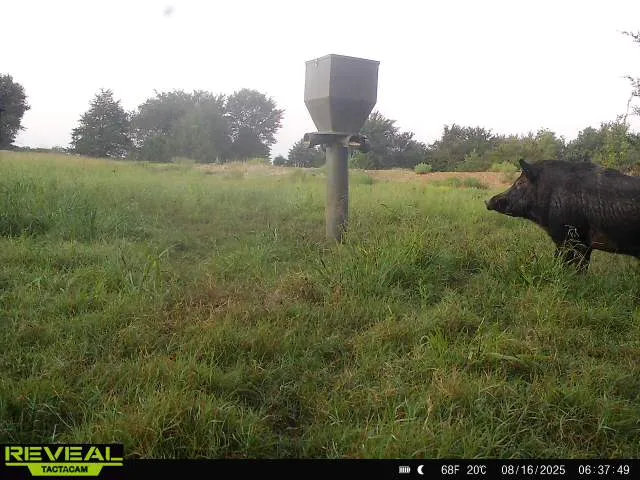
Wild hogs can move at different times of day, but nighttime activity can become more noticeable during hot weather. Cooler temperatures may encourage hogs to leave daytime bedding areas and search for food and water.
- Cooler Temperatures: Hogs can spend hotter daylight hours resting in shaded or covered areas. As temperatures drop after sunset, they may become more comfortable moving through open ground and wooded areas.
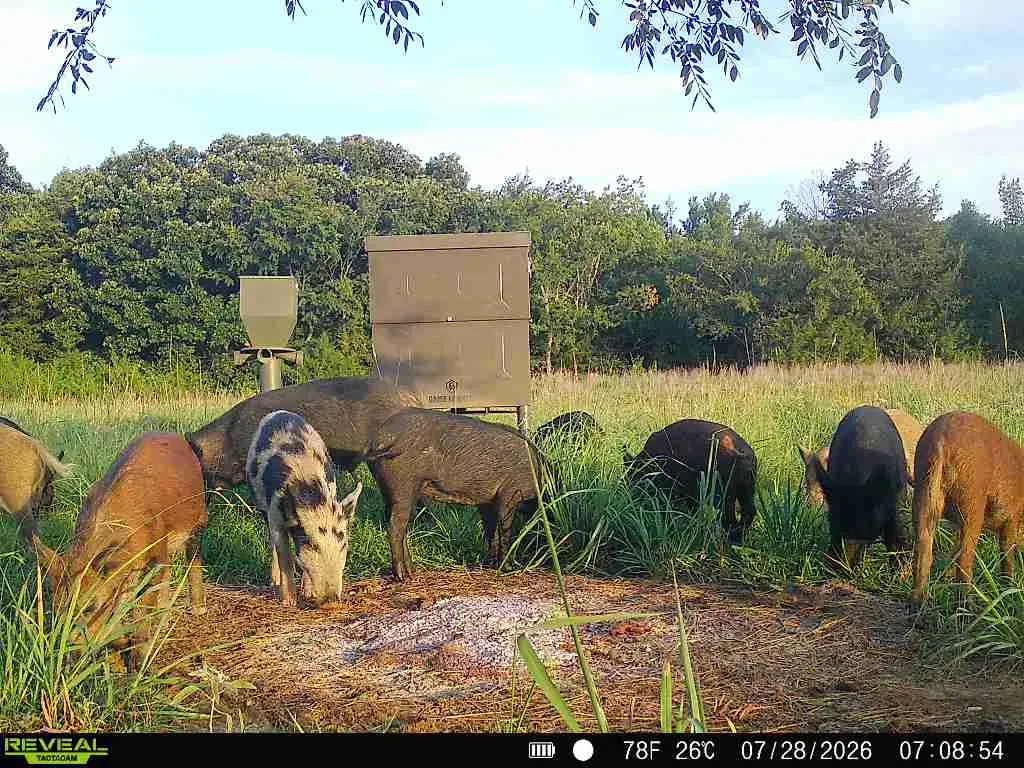
- Feeding Activity: Wild hogs are opportunistic feeders and may travel at night in search of roots, insects, acorns, crops, and other available food. Fresh rooting can help identify recently used feeding areas.
- Water Sources: Water can become especially important during warm conditions. Ponds, creeks, and other dependable sources may attract hogs during nighttime movement, particularly when daytime temperatures are high.
- Bedding and Cover: Hogs often use thick vegetation, wooded areas, and other sheltered locations for bedding. They may leave these areas after dark and travel toward feeding or watering locations.
- Travel Routes: Hogs may repeatedly use trails, creek bottoms, wooded edges, and other routes connecting bedding areas with food and water. Fresh tracks and disturbed vegetation can help reveal active movement.
What Equipment Is Used for Thermal Hog Hunting?
A successful thermal hunt involves more than a thermal scope. The equipment needed can vary depending on the hunting setup, property, and services included with the hunt. Hunters should confirm what is provided before arriving.
- Thermal Scope: A thermal scope detects heat and displays temperature differences as an image. When mounted to a compatible firearm, it can help hunters locate and identify hogs during nighttime hunting.
- Handheld Thermal Scanner: A handheld thermal device can be used to scan an area before looking through a rifle-mounted optic. It can help hunters check surrounding terrain without constantly looking through the scope.
- Firearm and Ammunition: Hunters need an appropriate firearm and ammunition that meet the requirements of their hunt and current Oklahoma regulations. The firearm should be handled safely throughout the trip.
- Headlamp or Flashlight: Thermal optics can help locate animals, but a regular light remains useful for non-shooting tasks such as walking around camp, handling equipment, or navigating after the hunt.
- Weather-Appropriate Clothing: Nighttime temperatures can change significantly depending on the season. Layers, comfortable hunting clothing, and suitable boots can make long periods outdoors more manageable.
- Hearing and Eye Protection: Appropriate eye and hearing protection should be used whenever firearms are being handled or fired. Safe firearm practices remain important even when thermal equipment is being used.
Tip: If you are booking Guided hog hunts Oklahoma, ask whether the guide provides thermal equipment, blinds, portable setups, or other hunting gear before packing your own equipment.
Where Can You Go Thermal Hog Hunting in Oklahoma?
Thermal hog hunting can take place on suitable private properties where nighttime hunting is permitted and the terrain provides habitat used by wild hogs. The property itself can have a major effect on the hunting experience.
Private Ranch Properties
Private land hog hunting Oklahoma can give hunters access to ranch properties with a combination of wooded areas, open ground, ponds, creek beds, thick vegetation, and established hunting locations. Private properties may also make it easier for guides to monitor recent hog activity and select hunting positions based on current conditions.
Southeastern Oklahoma
Southeastern Oklahoma hog hunts can offer varied terrain that includes wooded areas, foothills, creek beds, dense vegetation, and water sources. These features can provide hogs with food, shelter, and routes between different parts of a property. For a thermal hunt, varied terrain can also create different scanning conditions. Open areas may provide longer sightlines, while dense vegetation can make locating and positively identifying animals more challenging.
What Makes a Good Thermal Hunting Area?
When evaluating a property, hunters and guides may pay attention to:
- Food areas: Places where hogs can find natural or agricultural food.
- Water: Ponds, creeks, and other dependable water sources.
- Cover: Thick vegetation and wooded areas that can provide daytime bedding.
- Travel routes: Trails and natural corridors connecting feeding and bedding areas.
- Fresh signs: Recent tracks, rooting, wallows, and disturbed vegetation.
The goal is not simply to find land that looks suitable. Recent signs and current hog movement provide more useful information when selecting where to spend time during Oklahoma hog hunting.
What Can You Expect From Guided Thermal Hog Hunts?What Can You Expect From Guided Thermal Hog Hunts?
Guided hog hunts Oklahoma provide local property knowledge and support throughout the hunt. A guided thermal hunt may include equipment, hunting setup, hog tracking, and strategy changes based on current activity.
Property Orientation
- Know the property: Learn about the hunting areas, terrain, access points, and planned setup.
- Review safety procedures: Understand safe movement, shooting directions, and property-specific hunting rules.
- Understand the plan: Get familiar with the schedule and what to expect during the nighttime hunt.
Finding Active Hog Areas
- Check fresh rooting: Recently disturbed soil can indicate active feeding.
- Look for tracks: Fresh tracks can show recent movement along trails and near water.
- Check wallows: Recently disturbed mud may indicate that hogs have been using the area.
- Follow travel routes: Guides can identify trails connecting feeding, bedding, and water areas.
Thermal Equipment
- Thermal scopes: Depending on the package, a thermal scope may be provided for nighttime hunting.
- Heat detection: Thermal equipment detects heat signatures rather than relying on visible light.
- Scanning: Hunters can scan fields, wooded openings, trails, and other areas for hog activity.
- Equipment guidance: A guide can explain the basic use of the thermal equipment provided for the hunt.
Hunting Setup
- Permanent blinds: Some properties have established blinds positioned near areas of hog activity.
- Portable setups: Portable hunting positions may be used when conditions call for a different location.
- Spot-and-stalk: Depending on the terrain and property, hunters may use spot-and-stalk tactics.
- Setup selection: The hunting position can depend on terrain, weather, and current hog movement.
Adjusting During the Hunt
- Monitor movement: Watch how hogs move between feeding, bedding, and water areas.
- Respond to fresh signs: New activity can help determine where to focus attention.
- Change positions when needed: Guides may adjust the setup if hog activity shifts during the night.
Safety and Target Identification
- Identify the animal: A thermal device shows heat, but hunters must confirm the target before shooting.
- Check the background: Make sure the area beyond the target provides a safe shooting direction.
- Follow firearm safety: Handle firearms responsibly throughout the hunt, including during movement and setup.
- Follow local rules: Hunters should comply with current Oklahoma hunting regulations and property-specific requirements.
What Makes Thermal Hog Hunting Different From Day Hunts?What Makes Thermal Hog Hunting Different From Day Hunts?
Thermal hunting changes the way hunters locate hogs because the hunt takes place in low-light conditions and relies on heat detection rather than normal visibility. The difference is not simply hunting after sunset. It also involves different equipment, observation methods, and preparation.
- Visibility: Thermal equipment detects differences in heat, allowing hunters to locate warm animals against cooler surroundings.
- Timing: Night hunts can take advantage of cooler temperatures when hogs may leave shaded bedding areas and begin moving toward food or water.
- Equipment: A thermal scope or handheld thermal scanner becomes an important part of the hunting setup. Regular lights still have uses around camp and while handling equipment.
- Hog Movement: Hunters may spend time watching travel routes, feeding areas, and water sources where hogs are likely to move after dark.
- Target Identification: Darkness makes careful identification especially important. A thermal device shows heat signatures, but the hunter must still confirm the target and ensure the area beyond it is safe.
How to Prepare for a Thermal Hog Hunting Trip
Proper preparation can make a nighttime hunt more comfortable and organized. Before leaving for Oklahoma hog hunting trips, confirm the hunting package, equipment, license requirements, weather, and schedule.
- Step 1: Choose the Property and Hunt: Select a suitable property and confirm whether it offers guided hunting, thermal equipment, private ranch access, lodging, or meals.
- Step 2: Confirm the Hunting Setup: Ask whether the hunt uses permanent blinds, portable setups, or spot-and-stalk tactics, and confirm what thermal equipment is provided.
- Step 3: Check License and Regulations: Get the required Oklahoma hunting license and review current hunting regulations before arriving at the property.
- Step 4: Pack for Night Hunting: Bring suitable clothing, sturdy boots, weather protection, required firearm and ammunition, hearing and eye protection, and a flashlight or headlamp.
- Step 5: Confirm Your Trip Details: Recheck arrival times, hunting schedule, equipment, lodging, meals, and property rules. This is especially important when planning Weekend hog hunts Oklahoma.
Why Choose ZD Fishing Guide for Thermal Hog Hunting Oklahoma?
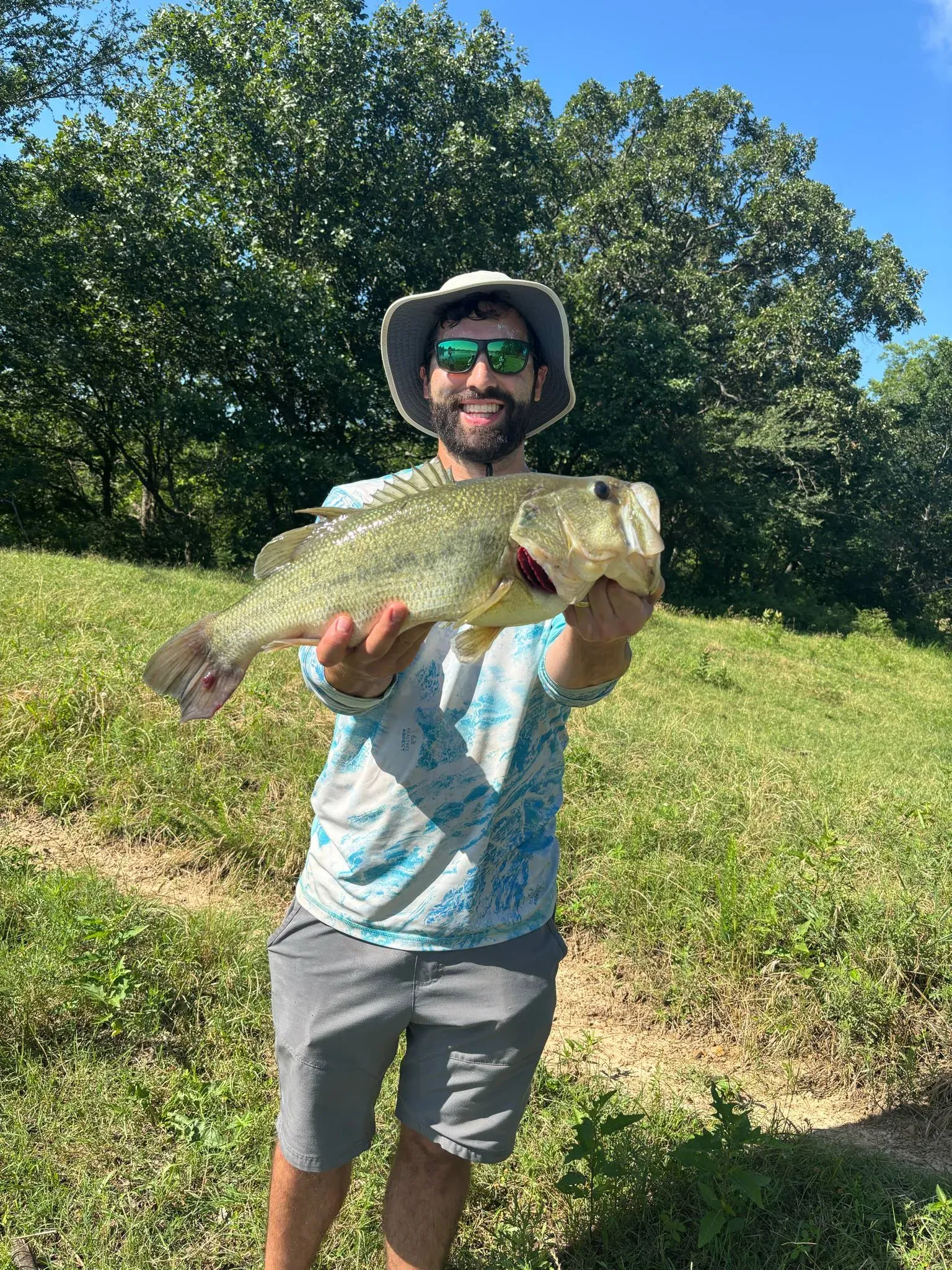
ZD Fishing Guide offers guided hog hunts on private Oklahoma ranch land, giving hunters access to a 260-acre working ranch in Southeastern Oklahoma. Our hunts are planned around the property, current hog activity, and the hunting setup selected for the trip.
Our nighttime hunts can include thermal equipment, portable setups, or permanent blinds. Hunters can also use spot-and-stalk tactics when suitable for the property and conditions. The ranch includes wooded areas, foothills, creek beds, and water sources that provide different hunting environments.
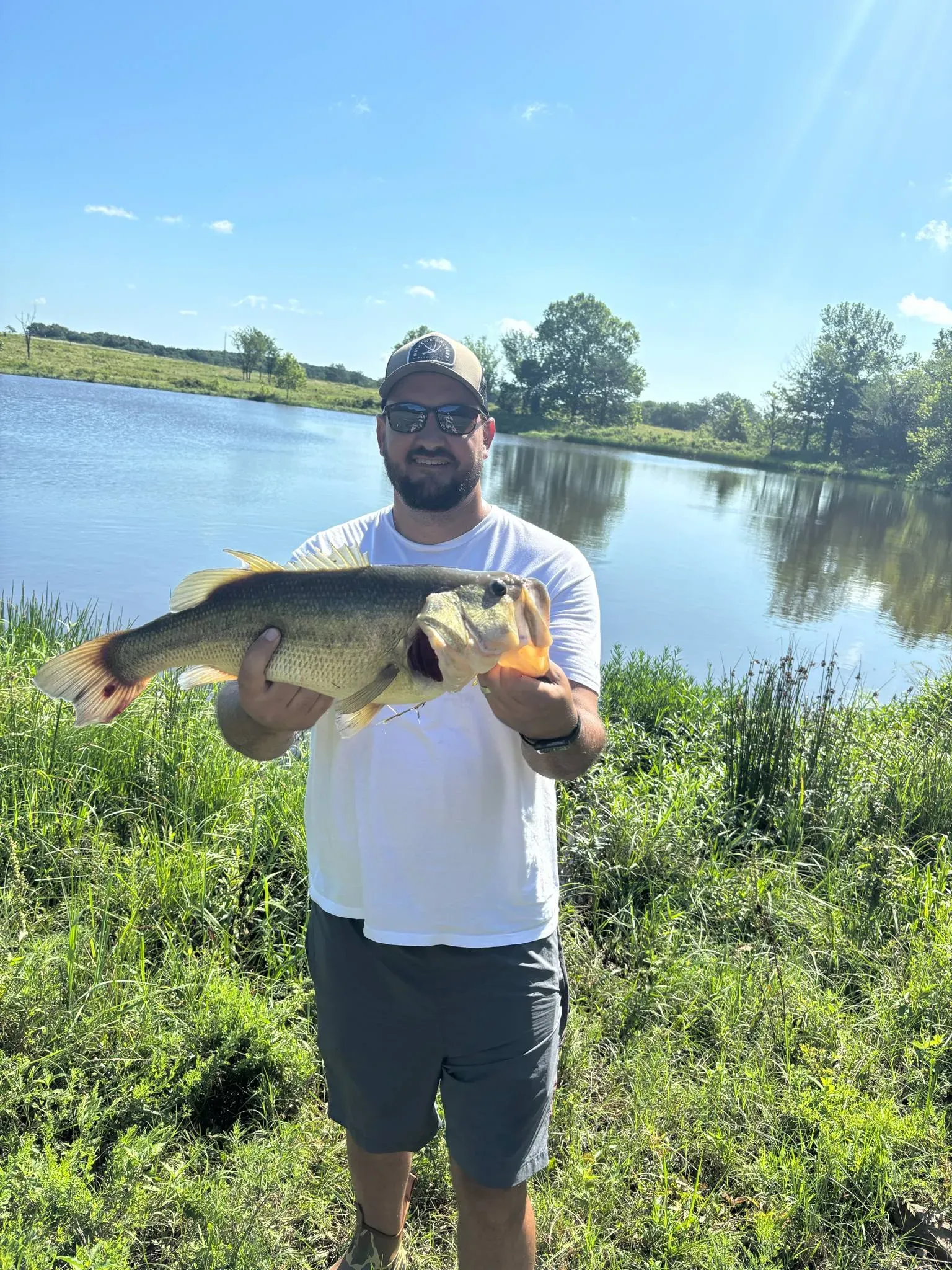
For Oklahoma hog hunting trips, select packages include an on-site cabin and meals. Guests also have daytime access to four stocked bass and bluegill ponds. Basic game processing, including skinning and quartering, is available for an additional fee.
Conclusion
Thermal hog hunting Oklahoma offers a nighttime hunting experience that combines thermal imaging, knowledge of hog behavior, and careful preparation. Understanding where hogs feed, rest, drink, and travel can help hunters make better use of thermal equipment once they are in the field. The hunting setup may include permanent blinds, portable positions, or spot-and-stalk tactics depending on the property and current activity. Guided hog hunts Oklahoma can also provide support with property knowledge, active hunting areas, equipment, and safety procedures. For hunters planning wild hog hunting Oklahoma, checking license requirements, preparing for nighttime conditions, and confirming trip details are important steps. Ready to plan your next hunt? Contact ZD Fishing Guide to book your thermal hog hunting experience in Oklahoma.
FAQs
- What is thermal hog hunting?
Thermal hog hunting uses equipment that detects heat signatures, helping hunters locate wild hogs during nighttime or low-light conditions. - How does thermal equipment work?
Thermal devices detect infrared energy from warm objects and display temperature differences as an image through a scope or viewing screen. - Why are hogs often hunted at night?
Hogs may become more active after temperatures drop, moving from bedding areas toward food, water, and travel routes. - What equipment is used for thermal hog hunting?
Common equipment includes thermal scopes, handheld thermal scanners, firearms, ammunition, suitable clothing, boots, and standard safety equipment. - Are guided thermal hog hunts available in Oklahoma?
Yes. Some Oklahoma hunting properties offer guided nighttime hunts using thermal equipment, permanent blinds, portable setups, or spot-and-stalk tactics. - Where can I go thermal hog hunting in Oklahoma?
Thermal hunts can take place on suitable private properties where nighttime hog hunting is permitted, including ranch land in Southeastern Oklahoma. - What should I bring to a thermal hog hunt?
Bring appropriate clothing, sturdy boots, weather protection, required hunting equipment, ammunition, hearing and eye protection, and a flashlight or headlamp. - Can beginners join a guided thermal hog hunt?
Guided hunts can provide support with property orientation, equipment use, hog activity, hunting setup, and safe target identification. - Can I plan a weekend thermal hog hunting trip?
Yes. Weekend hog hunts Oklahoma can be a convenient option for hunters who want a shorter trip with a planned hunting schedule. - Do thermal hog hunting packages include lodging?
Some packages include an on-site cabin and meals. Services vary by package, so confirm the included amenities before booking.