
Wild Hog Hunting in Oklahoma: What to Expect

Published: November 17, 2026
Wild hog hunting Oklahoma offers hunters different ways to pursue wild hogs across varied terrain, from wooded areas and thick brush to open ground and private ranch land. What you experience can depend on the season, weather, time of day, hunting property, and type of hunt you choose. Some hunters may spend time watching feeding areas and travel routes, while others may hunt from blinds or use thermal equipment after dark. Understanding the property, expected hog activity, equipment, and hunting setup can make the trip easier to plan. For anyone considering Oklahoma hog hunting trips, knowing what to expect before arriving can help with choosing dates, preparing gear, and understanding how a guided or private-land hunt may differ from other hunting experiences.
What Is Wild Hog Hunting Like in Oklahoma?
Oklahoma hog hunting can involve different terrain, hunting times, and methods depending on the property and conditions. Wild hogs are adaptable animals, so their movement can change throughout the day as they respond to food, water, cover, and temperature. A typical hog hunt may include:
- Finding Active Areas: Hunters may focus on locations showing fresh tracks, rooting, wallows, feeding activity, or travel trails.
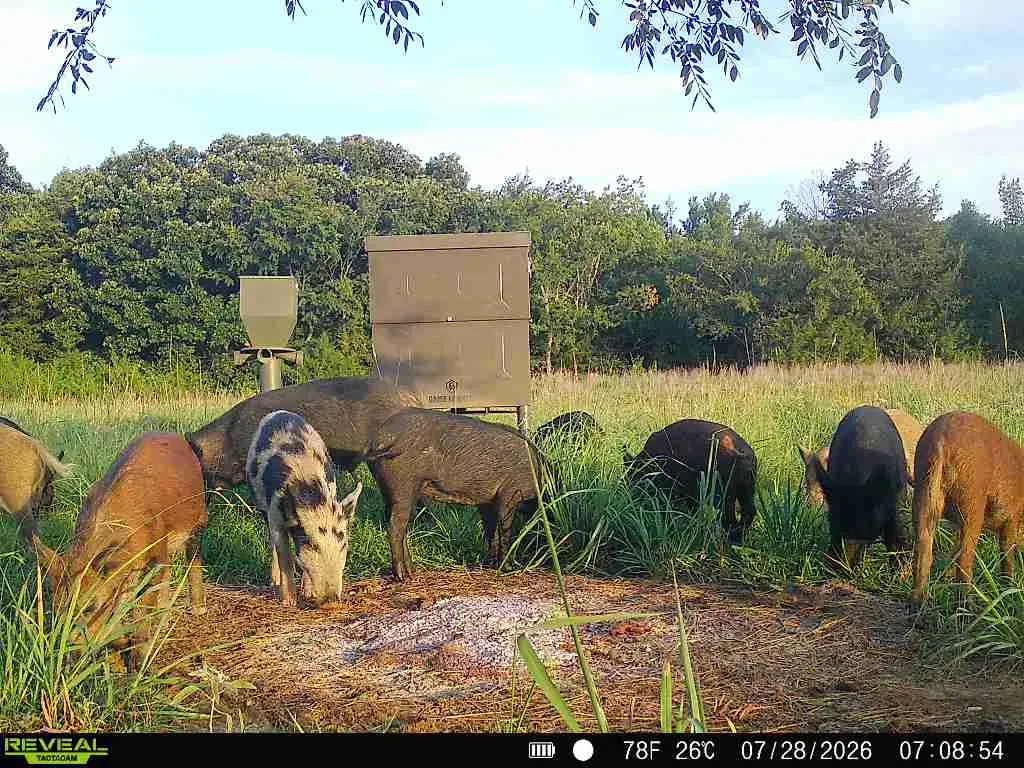
- Watching Hog Movement: Depending on the setup, hunters may spend time observing areas where hogs are expected to move between feeding, bedding, and water locations.
- Different Hunting Positions: A hunt may involve an established blind, portable setup, or movement through suitable terrain.
- Daytime or Nighttime Hunting: Hunting times can vary. During hot weather, hogs may become more active during cooler evening or nighttime hours.
- Changing Conditions: Weather, food availability, and recent hog activity can affect where animals are found, so the plan may change during the hunt.
The experience can also differ between a self-guided hunt and Guided hog hunts Oklahoma. A guide familiar with the property can help identify active areas and explain the available hunting setup.
Where Can You Hunt Wild Hogs in Oklahoma?
Wild hogs are found across many parts of Oklahoma, and suitable hunting areas can include private ranches, wooded properties, agricultural areas, and locations with dependable water and cover. The specific experience depends on the land available for hunting and the conditions at the time of the trip.
Private Ranch Land
Private land hog hunting Oklahoma gives hunters access to privately managed properties where the available terrain and hog activity can be assessed before and during the hunt. These properties may contain a combination of wooded areas, brush, open ground, ponds, creeks, and feeding areas.
Southeastern Oklahoma
Southeastern Oklahoma hog hunts can take place across terrain that includes forests, thick vegetation, creek beds, foothills, and open areas. Water and dense cover can provide important habitat features, while trails and disturbed ground can reveal where hogs have recently moved.
What to Check on a Hunting Property
- Cover: Look for wooded or brushy areas where hogs can rest during the day.
- Water: Ponds, creeks, and other water sources can become more important during hot weather.
- Food: Feeding areas and natural forage can influence hog movement.
- Travel Routes: Trails connecting feeding, bedding, and water areas can show regular movement.
- Fresh Signs: Recent tracks, rooting, and wallows can provide better clues than habitat alone.
The exact location of hogs can change, so recent signs are more useful than assuming that every suitable-looking area is active.
What Do Wild Hogs Look for in Their Habitat?
Wild hogs are adaptable and can live in many environments, but they often favor places that provide food, water, and cover. Understanding these habitat features can help hunters recognize areas that may have regular hog activity.
1. Thick Cover
Hogs often use dense vegetation, wooded areas, brush, and other covered locations for bedding and protection. During warmer parts of the day, shaded areas can provide relief from heat. Thick cover can also offer protection from weather, predators, and human activity.
2. Reliable Water
Ponds, creeks, and other water sources can attract hogs, particularly during hot weather. Hogs need regular access to water and may stay close to dependable sources when temperatures rise. Muddy ground around water can also reveal recent movement and wallowing activity.
3. Food Sources
Hogs are opportunistic feeders and can eat roots, crops, acorns, insects, tubers, and other available foods. Areas with natural forage or agricultural food sources may receive regular activity. Freshly disturbed soil can also indicate that hogs have been actively searching for food.
4. Mud and Wallows
Hogs may use muddy areas to cool themselves and help with skin irritation. Wallows can form near ponds, creeks, and other wet areas where mud is available. Fresh wallows, tracks, and disturbed vegetation can indicate that hogs recently used the location.
5. Easy Travel Routes
Hogs commonly use trails, creek bottoms, wooded edges, and other routes that connect bedding areas with food and water. These natural pathways can make movement easier through thick terrain. Fresh tracks, disturbed vegetation, and droppings may indicate regular hog traffic.
What Signs Should You Look for During a Hog Hunt?
Finding fresh hog signs can tell you more about current activity than simply choosing an area that looks like suitable habitat. Look for several signs together and pay attention to how fresh they appear.
- Rooting: Turned-up soil is one of the most recognizable hog signs. Hogs use their snouts to search for roots, insects, tubers, and other food beneath the ground.
- Tracks: Fresh hoof prints around muddy ground, water sources, trails, or feeding areas can show recent movement. Larger tracks may indicate bigger animals, but track size alone does not tell you exactly how large a hog is.
- Wallowing: Muddy depressions where hogs have rolled or rested can indicate an area being used to cool down.
- Rubbing: Hogs may rub against trees, posts, and other solid surfaces. Look for mud, hair, or worn bark around frequently used locations.
- Droppings: Fresh scat can provide another clue that hogs have recently passed through an area. Its appearance can vary based on what the animals have been eating.
- Trails: Repeatedly used paths through vegetation can connect bedding areas with food and water. Freshly disturbed vegetation or tracks can help distinguish active trails from older ones.
How to Judge Fresh Activity
Fresh signs are generally more useful than old disturbances. Recently turned soil, clear tracks, fresh droppings, and newly used trails can help indicate that hogs are still active nearby. Guides may also combine these signs with recent observations and knowledge of the property when deciding where to hunt.
What Types of Oklahoma Hog Hunting Are Available?
Oklahoma hog hunting can involve different hunting times and setups. The method used depends on the property, season, local regulations, weather, and the hunting package selected.
Daytime Hog Hunts
Day hunts allow hunters to observe the property in natural light and look for hogs around feeding areas, trails, water, and cover.
- Better visibility: Natural daylight makes it easier to identify terrain, tracks, vegetation, and other signs.
- Spot-and-stalk opportunities: Depending on the property and conditions, hunters may move carefully through suitable areas while looking for hogs.
- Blind hunting: Established blinds can provide a stationary position near areas where hogs are expected to travel.
- Changing movement: Hogs may alter their daytime activity based on temperature, food availability, and hunting pressure.
Night Hog Hunts
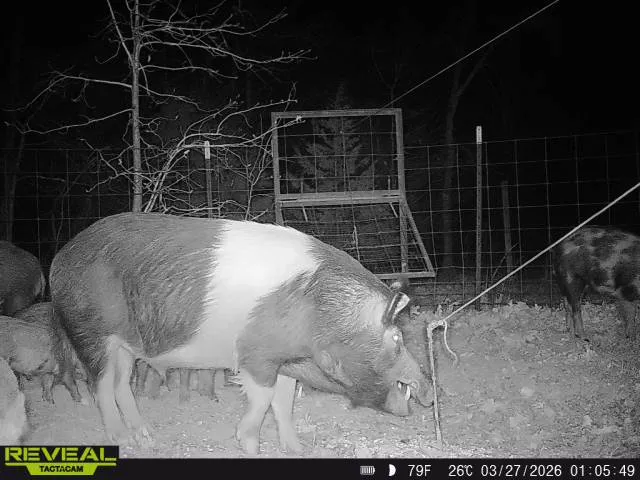
Night hunting can be useful because hogs may become more active after temperatures drop, especially during hot periods.
- Cooler conditions: Lower nighttime temperatures can encourage hog movement.
- Less daytime activity: Hogs that spend hotter daylight hours in cover may move toward food or water after dark.
- Fixed or portable setups: Depending on the property, hunters may use permanent blinds or portable hunting setups.
- Greater dependence on preparation: Darkness makes property knowledge, safe shooting practices, and appropriate equipment especially important.
Thermal Hog Hunts
Thermal hog hunting Oklahoma uses thermal equipment to detect heat signatures in low-light or nighttime conditions. Thermal scopes can help hunters identify animals that may be difficult to see with the naked eye.
- Heat detection: Thermal devices detect differences in heat rather than relying on visible light.
- Nighttime visibility: They can help locate hogs after dark when traditional visibility is limited.
- Guided setups: On guided hunts, thermal equipment may be combined with established blinds, portable setups, or spot-and-stalk tactics.
- Property knowledge matters: Thermal equipment does not replace knowledge of hog behavior, terrain, or current animal activity.
What Can You Expect From Guided Hog Hunts Oklahoma?What Can You Expect From Guided Hog Hunts Oklahoma?
Choosing Guided hog hunts Oklahoma can be helpful for hunters who are unfamiliar with the property or want support with locating active hog areas. A guide can provide knowledge of the land, hunting setup, and current conditions.
Before the Hunt
A guided hunt generally starts with preparation and an understanding of the property. Hunters should know what equipment is provided, what they need to bring, and which license requirements apply.
During the Hunt
The guide can help identify areas with recent hog activity and determine which hunting setup fits the conditions. Depending on the package and property, this may include permanent blinds, portable setups, or spot-and-stalk tactics.
Reading the Property
Local knowledge can make it easier to recognize useful features such as:
- Active trails connecting bedding, food, and water
- Fresh rooting in feeding areas
- Recently used wallows near water
- Thick bedding cover during warmer daylight hours
- Travel routes through wooded or open terrain
Night and Thermal Hunting
Some guided hunts take place after dark and use thermal equipment to locate hogs. This type of hunt requires familiarity with the terrain, equipment, shooting lanes, and safe target identification.
What Makes Guided Hunting Different?
The main advantage is access to someone familiar with the hunting property and its conditions. Instead of spending the entire trip learning the land, hunters can focus on understanding hog movement, reading fresh signs, and following an organized hunting plan.
What Should You Bring on an Oklahoma Hog Hunt?
Packing for Oklahoma hog hunting depends on the season, hunting location, and whether you plan to hunt during the day or at night. Comfortable clothing, proper footwear, and essential hunting gear can make long hours in the field easier.
Clothing and Personal Gear
- Layered clothing: Temperatures can change significantly between afternoon and nighttime, especially during seasonal changes.
- Hunting boots: Choose sturdy, comfortable footwear suitable for wooded areas, muddy ground, and uneven terrain.
- Weather protection: Bring rain gear or an extra outer layer when changing weather is expected.
- Gloves: Lightweight gloves can protect your hands while moving through brush and handling equipment.
- Eye and ear protection: Use appropriate protection whenever firearms are being handled or fired.
Hunting Essentials
Bring the firearm, ammunition, and other equipment required for your planned hunt. Hunters should also carry their required Oklahoma hunting license and follow all applicable state hunting regulations.
For Thermal hog hunting Oklahoma, confirm ahead of time whether thermal equipment is provided by the outfitter or needs to be brought separately. A headlamp or flashlight can also be useful for safely moving around camp and equipment areas.
How to Plan Oklahoma Hog Hunting Trips
Planning ahead can make Oklahoma hog hunting trips easier and more organized. From choosing the right hunt to checking licenses and packing suitable gear, these steps can help you prepare for your time in the field.
- Step 1: Choose Your Hunting Location: Decide whether you want to hunt on private ranch land, wooded property, or another permitted hunting area based on the type of experience you want.
- Step 2: Select Your Hunting Style: Choose between daytime hunts, nighttime hunts, spot-and-stalk hunting, blind hunting, or Thermal hog hunting Oklahoma based on the property and available options.
- Step 3: Check What the Hunt Includes: Confirm whether your package includes guided hunting, thermal equipment, blinds, lodging, meals, or other services before making your plans.
- Step 4: Get the Required License: Obtain the appropriate Oklahoma hunting license before arriving. Check current state regulations to confirm the license and requirements that apply to your hunt.
- Step 5: Check the Weather: Review the forecast before your trip and pack layers, suitable boots, rain gear, and other clothing based on the expected conditions.
- Step 6: Pack Your Hunting Gear: Prepare your firearm, ammunition, safety equipment, flashlight, personal items, and any other gear required for the selected hunting setup.
- Step 7: Plan Your Schedule: Allow enough time for travel, arrival, property orientation, hunting sessions, meals, and rest, especially when booking Weekend hog hunts Oklahoma.
- Step 8: Confirm Trip Details: Recheck the arrival time, hunting schedule, lodging arrangements, equipment availability, and any property-specific rules before leaving for your trip.
Why Choose ZD Fishing Guide for Wild Hog Hunting Oklahoma?
ZD Fishing Guide offers guided hog hunting experiences on private Oklahoma ranch land, giving hunters access to properties where hog activity, terrain, and available hunting setups can be assessed throughout the trip. Our Southeastern Oklahoma hunts are designed around the conditions of the property and the hunting experience selected by each group.
We offer nighttime hog hunts that can include thermal equipment, portable setups, or permanent blinds. Our private ranch options also provide access to a 260-acre working ranch, with opportunities for thermal hunting, spot-and-stalk tactics, and established blinds. The property includes wooded terrain, creek beds, foothills, ponds, and other features that can support different hunting setups.
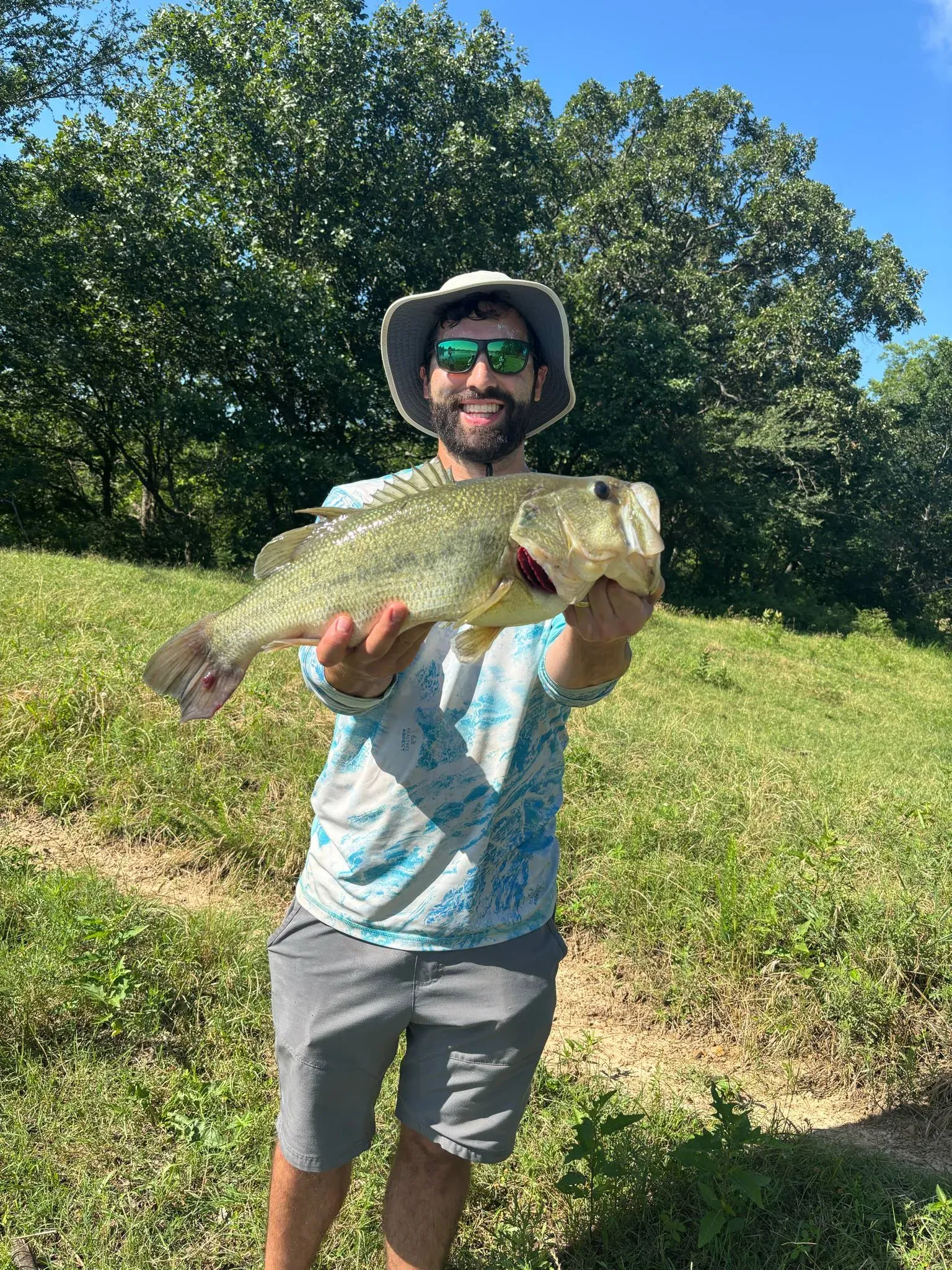
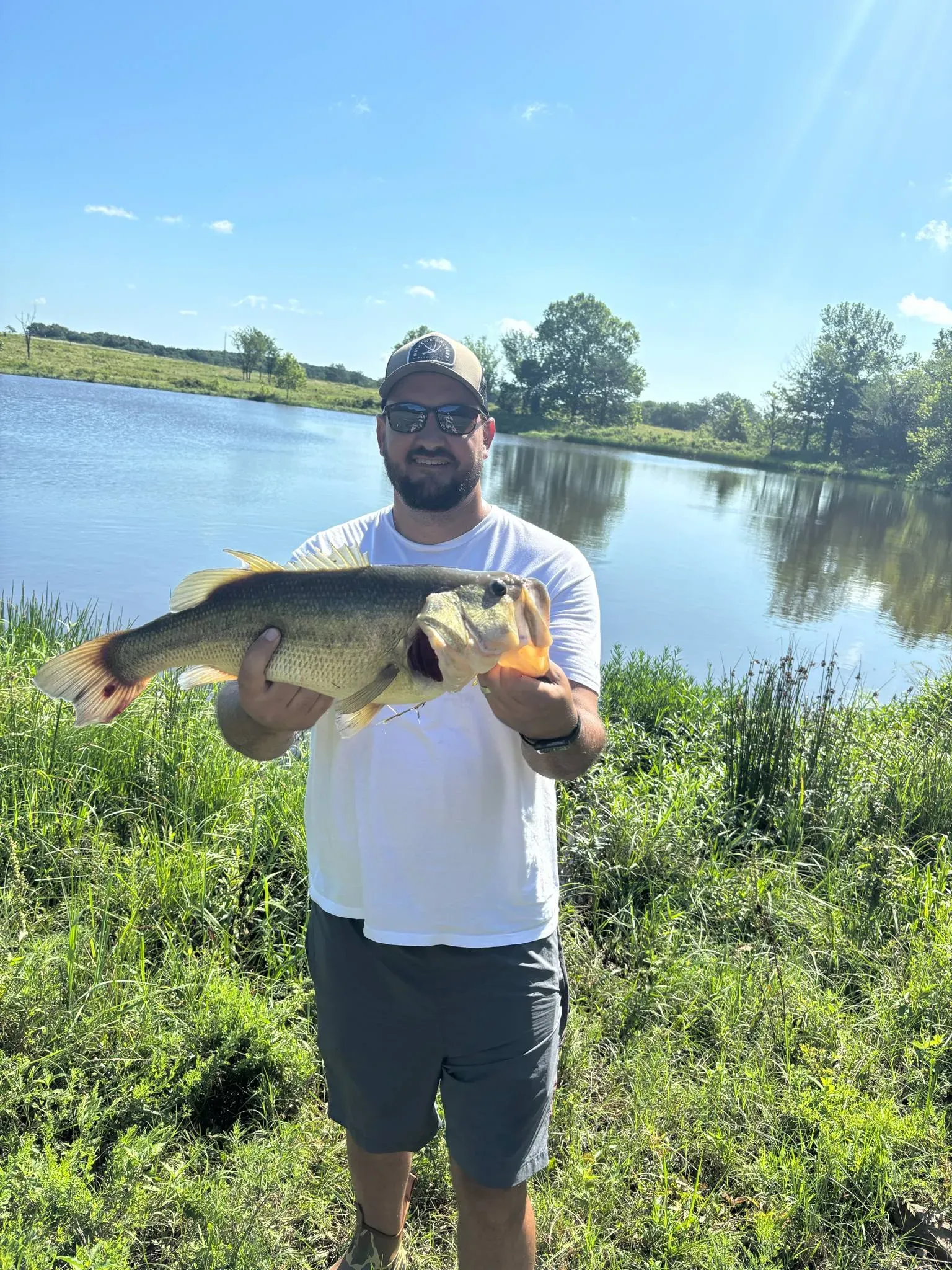
For longer Oklahoma hog hunting trips, we also provide an on-site cabin and meals with select packages. Guests can spend time hunting while having access to four stocked ponds during the daytime. Basic game processing, including skinning and quartering, is also available for an additional fee.
Conclusion
Wild hog hunting Oklahoma can offer different experiences depending on the terrain, hunting time, property, and method used. Understanding hog habitat, recognizing fresh signs, and choosing the right hunting setup can help you prepare for your trip. Day hunts, nighttime hunts, and Thermal hog hunting Oklahoma each have different requirements, while Guided hog hunts Oklahoma can provide local knowledge and support throughout the experience. Proper planning also means checking license requirements, packing suitable clothing and gear, and confirming what your hunting package includes. For hunters planning Oklahoma hog hunting trips, private ranch hunts can provide a focused way to spend time in the field. Ready to plan your hunt? Contact ZD Fishing Guide to book your Oklahoma hog hunting experience.
FAQs
- Where can you hunt wild hogs in Oklahoma?
Wild hogs can be hunted in many parts of Oklahoma, including private ranches, wooded properties, agricultural areas, and suitable habitats with food, water, and cover. - What is wild hog hunting like in Oklahoma?
Hunts can involve daytime or nighttime hunting, blinds, spot-and-stalk tactics, or thermal equipment, depending on the property and hunting package. - What signs indicate recent hog activity?
Fresh tracks, rooting, wallows, droppings, rubbed trees, and recently used trails can indicate that hogs have recently moved through an area. - What habitat do wild hogs prefer?
Hogs commonly use areas offering food, water, shade, dense cover, muddy ground, and travel routes connecting bedding and feeding areas. - What is thermal hog hunting?
Thermal hog hunting uses equipment that detects heat signatures, helping hunters locate hogs in low-light or nighttime conditions. - Are guided hog hunts available in Oklahoma?
Yes. Guided hunts are available on some private properties and may include assistance with hunting locations, equipment, blinds, and different hunting tactics. - What should I bring on an Oklahoma hog hunt?
Hunters should bring suitable clothing, sturdy boots, weather protection, required hunting equipment, ammunition, safety gear, and their Oklahoma hunting license. - Can I go hog hunting at night in Oklahoma?
Night hog hunting is available in certain hunting situations. Hunters should always follow current Oklahoma regulations and property-specific rules. - Are weekend hog hunts available in Oklahoma?
Yes. Weekend hog hunts Oklahoma can be a convenient option for hunters who want a shorter trip without taking an extended vacation. - Do Oklahoma hog hunting trips include lodging and meals?
Some hunting packages include lodging and meals. The exact services vary by property and package, so confirm the details before booking.