%2Ffit-in%2F250x250%2Fguide_websites%2F56349%2Fimages%2F1762468086078z.png&w=1200&q=100)
Lake Lavon Kayak Fishing: Premium Adventure
- Published Date: November 29, 2025
- Fishing
- $250 - $800 price range
- Updated Date: November 30, 2025
Summary
Ready for a workout and some serious fishing? This trip combines kayaking and angling for a high-energy adventure on Lake Lavon. You'll paddle single-person kayaks or team up in a two-person canoe, targeting catfish or white bass depending on the season. We use various fishing methods to keep things interesting - rod-and-reel, trot lines, and jug lines. It's not your typical relaxed fishing trip; you'll be moving, paddling, and actively fishing the whole time. Perfect for those who want to break a sweat while trying to land the big one. We provide all the gear and even clean your catch. Just bring your energy and get ready for a full-body fishing experience. Keep in mind, we might switch locations based on seasonal conditions, and strong winds could affect our plans. If you're up for a challenge that combines fitness and fishing, this is your kind of trip.
%2F%2Fusers%2Fb1f50a15-72d7-4491-8679-32dd1cd348c1%2Fpagedata%2Fimg_56411-mil70es8.jpg&w=1200&q=75)
Paddle and Cast Action

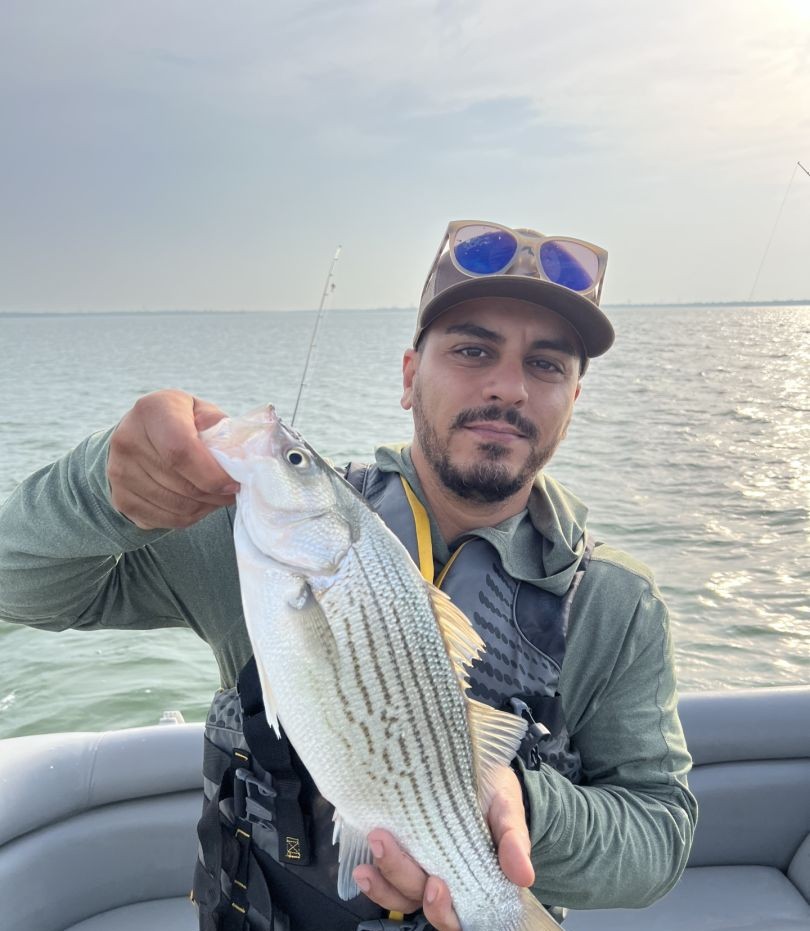
Hybrid Bass - Lake Lewisville, TX.
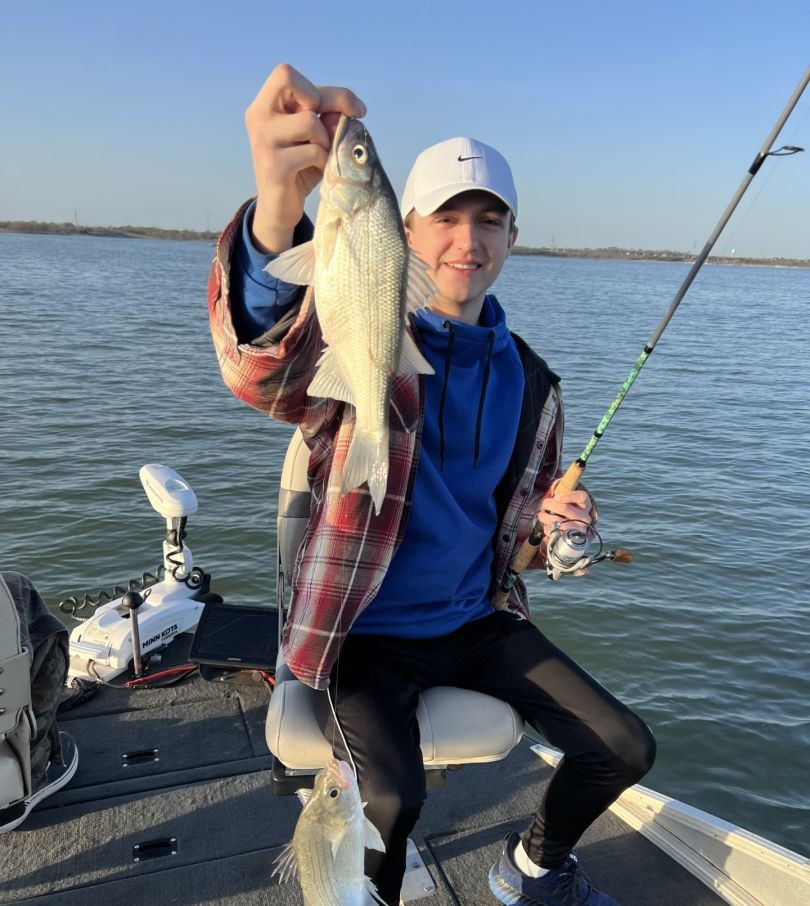
Catching 2 sand bass at a time - Lake Lavon
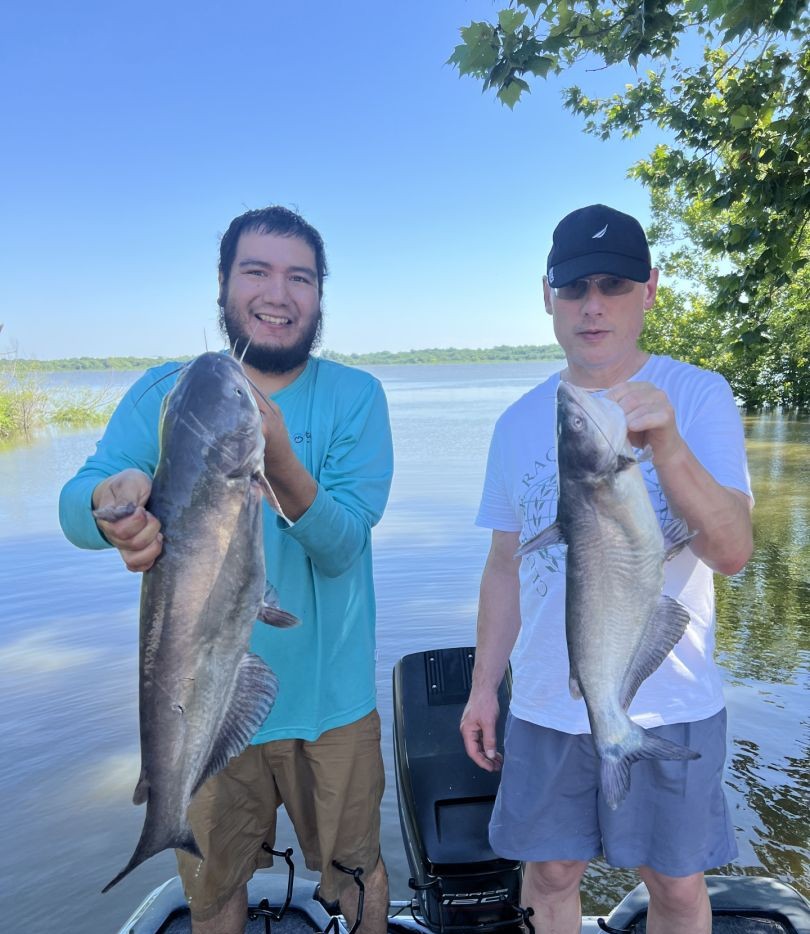
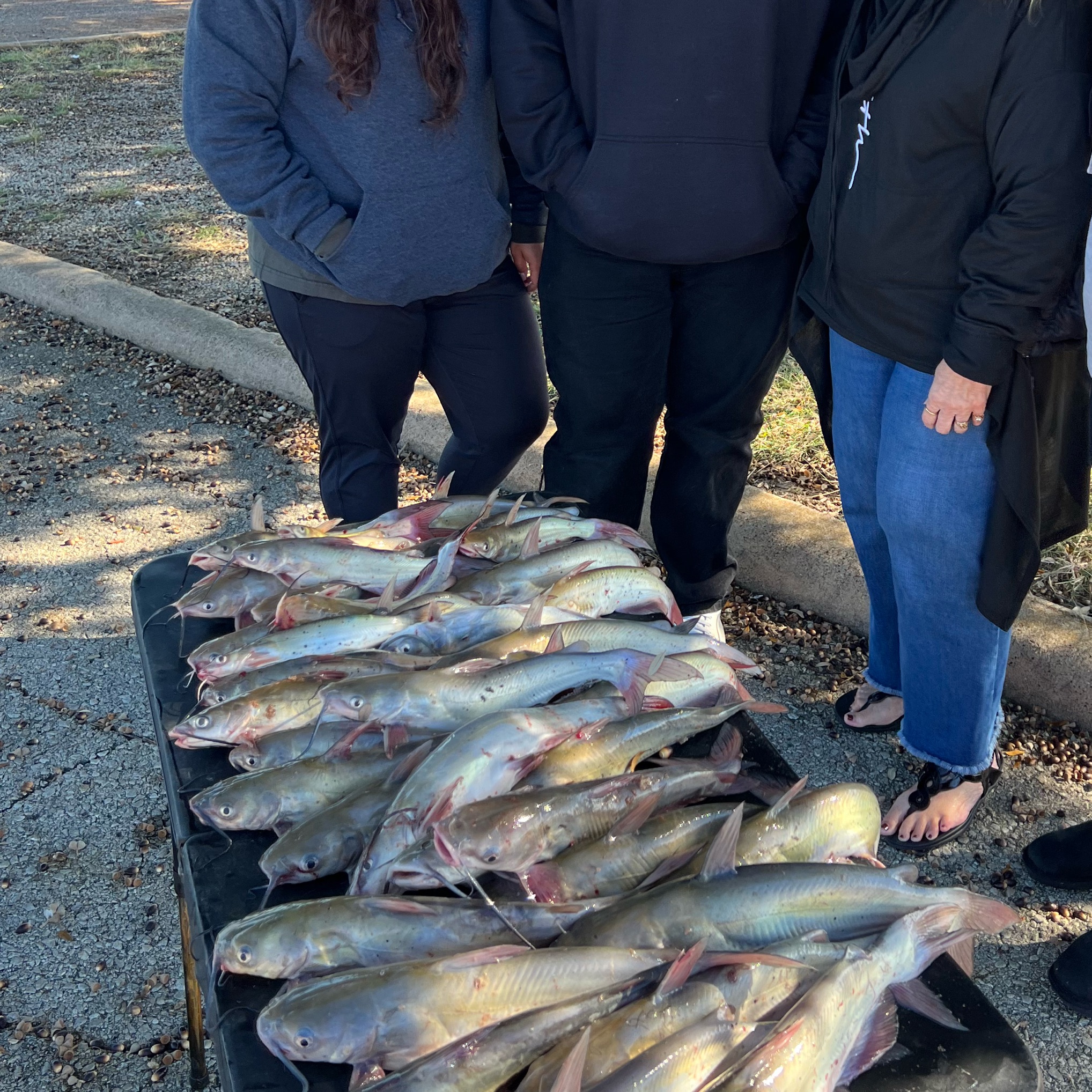
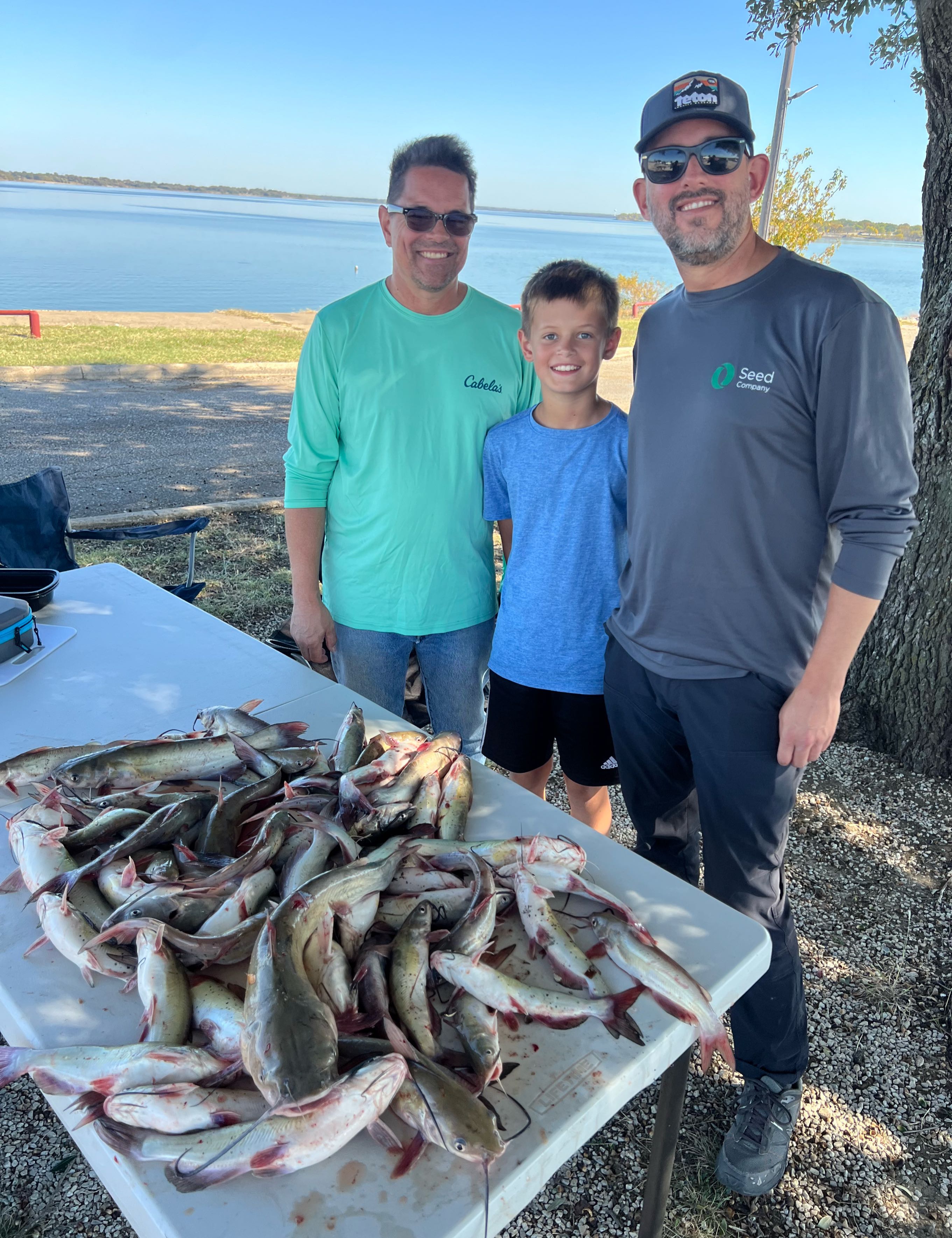
Big Blue Catfish - Lavon Lake, TX.
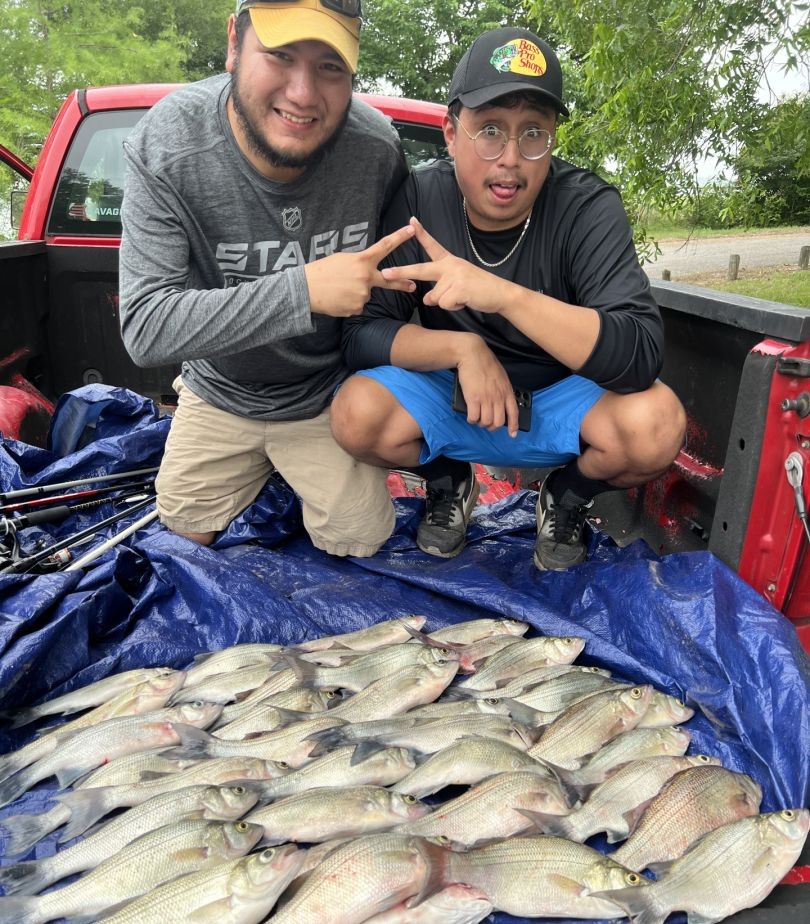
White Bass Stack on Truck - Lake Lavon, TX.
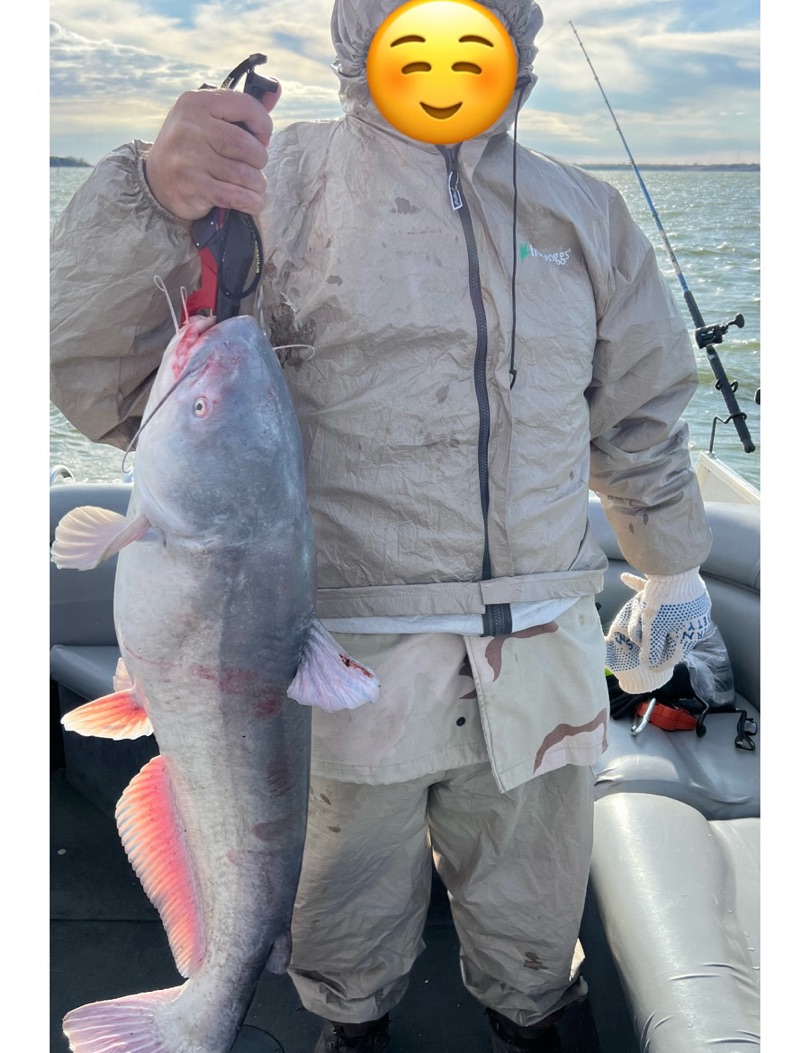
Big Blue Catfish on Lavon
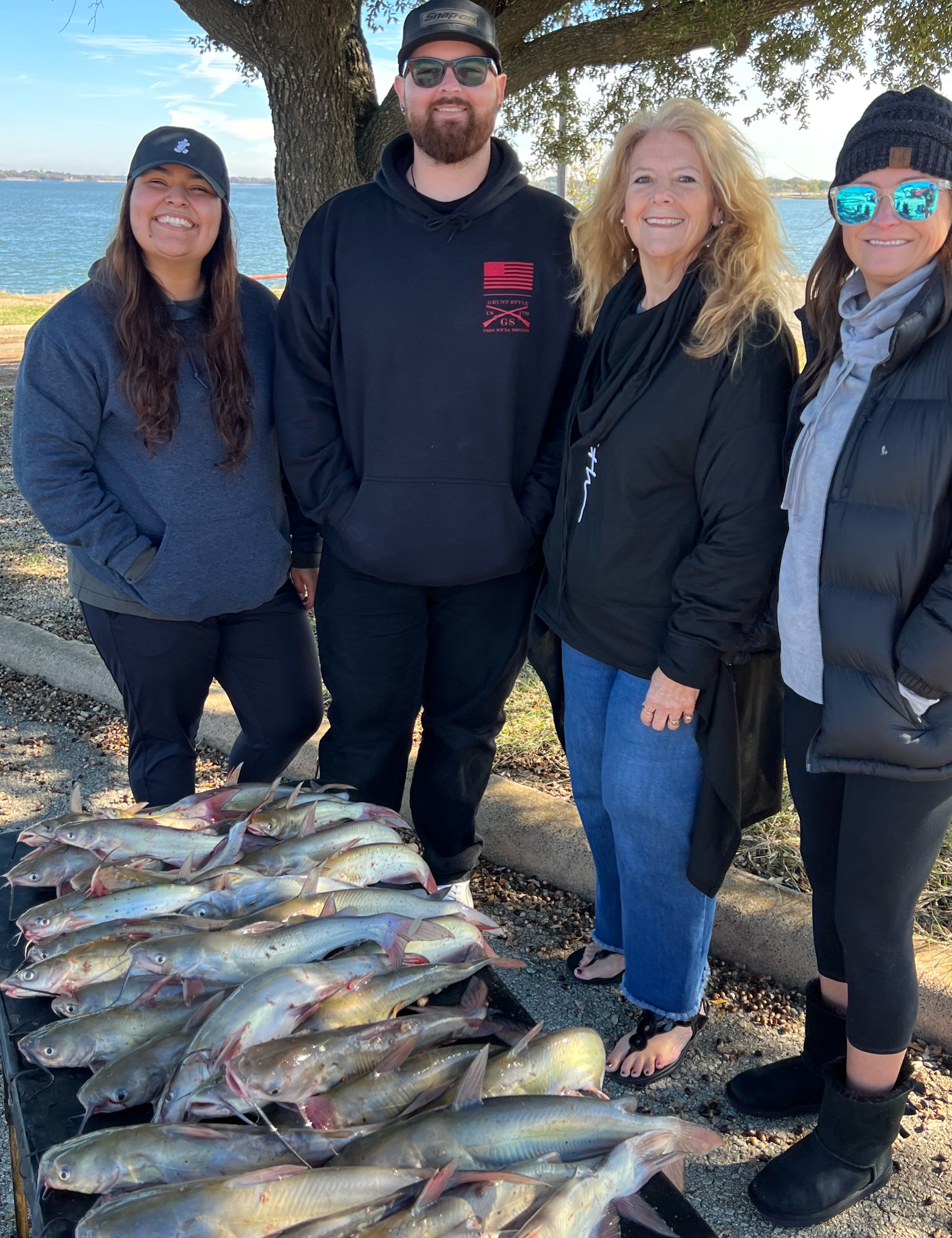
Four friends fishing in Wylie
null
null
null
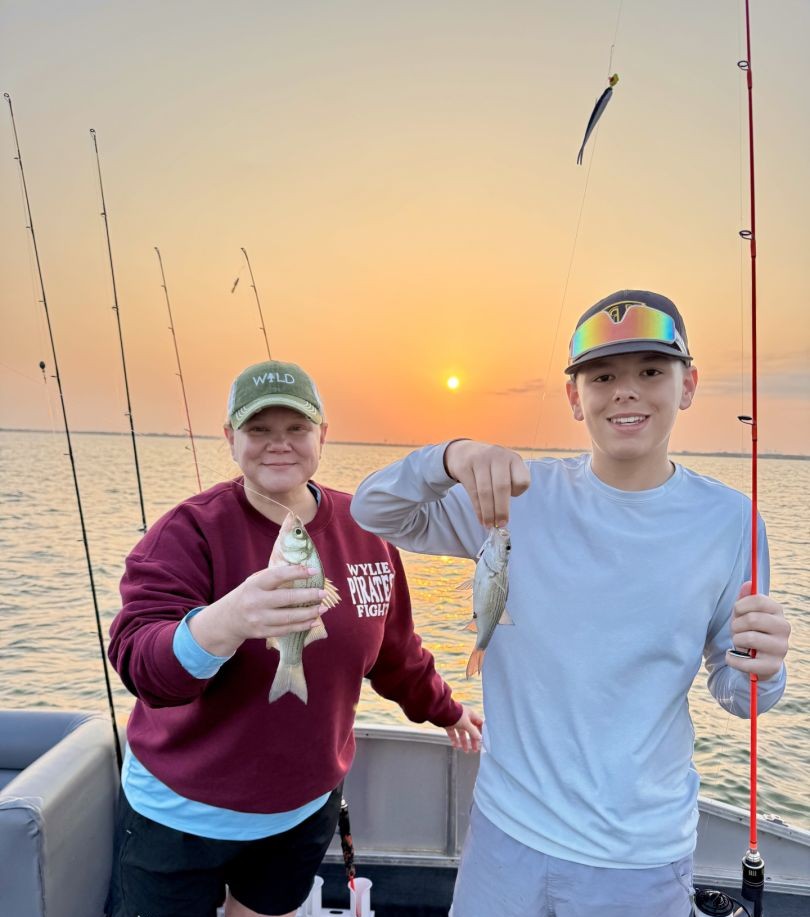
Sunrise Reels - Lake Lewisville, TX.
Hybrid Bass - Lake Lewisville, TX.
Catching 2 sand bass at a time - Lake Lavon
Big Blue Catfish - Lavon Lake, TX.
White Bass Stack on Truck - Lake Lavon, TX.
Big Blue Catfish on Lavon
Four friends fishing in Wylie
null
null
null
Sunrise Reels - Lake Lewisville, TX.
Hybrid Bass - Lake Lewisville, TX.
Catching 2 sand bass at a time - Lake Lavon
Big Blue Catfish - Lavon Lake, TX.
White Bass Stack on Truck - Lake Lavon, TX.

Lake Lavon Kayak Fishing: Exercise Meets Adventure
Ready for a fishing trip that'll get your heart pumping? Our Lake Lavon Kayak Adventures is the real deal. We're talking serious paddling, clever fishing tactics, and the chance to reel in some impressive catches. This ain't your grandpa's lazy day on the lake – it's a full-on workout that ends with fish on the stringer. So grab your hat and sunscreen, 'cause we're about to show you how the locals do it on Lake Lavon.
What to Expect on the Water
Picture this: You're seated in one of our top-notch single-person kayaks, paddle in one hand, fishing rod in the other. The morning mist is just lifting off Lake Lavon as you glide across the water, on the hunt for the perfect fishing spot. This trip is all about balancing your core, working those arms, and outsmarting some clever fish. We've got four solo kayaks for the independent anglers and a two-person canoe if you want to team up. Either way, you're in for a workout that'll make you forget you're exercising.
Depending on when you visit, we'll be chasing different fish. Spring and fall? We're all about those schools of white bass. Summer and winter? Catfish are the name of the game. And let me tell you, there's nothing quite like the feeling of hooking a big one while you're balancing in a kayak. It's a whole different ball game from bank fishing or sitting in a bass boat. You'll feel every tug and fight right through the kayak – it's a rush you've gotta experience to believe.
Techniques That Keep It Interesting
We mix things up to keep the fish (and you) on your toes. Sometimes we'll use good old rod-and-reel fishing, casting into likely spots as we paddle along. Other times, we might set up trot lines – long lines with multiple baited hooks that we'll check periodically. And for a real Lake Lavon special, we might try some jug fishing. That's where we use floating jugs with lines attached to catch those big catfish. It's like a treasure hunt on the water, paddling from jug to jug to see what's biting.
Don't worry if you're new to kayak fishing – we'll show you the ropes. But I'll warn you now: once you try it, regular fishing might seem a bit boring in comparison. There's something about the challenge of managing your kayak, your gear, and the fish all at once that really gets the adrenaline going.
Why Anglers Keep Coming Back
Folks who've been out with us can't stop talking about the unique experience. It's not just about the fish – though we do catch plenty. It's about the whole package: the workout, the skill-building, and the satisfaction of landing a fish from a kayak. Plus, let's be honest, it makes for some pretty cool stories and photos to show off back home.
We take care of the nitty-gritty too. Fish cleaning is included, so you can focus on the fun part. And while we usually hit up the same reliable spots on Lake Lavon, we're not afraid to change it up if the fish are biting better elsewhere. Just keep in mind, Mother Nature calls the shots – if it's too windy, we might need to switch things around for safety. But don't worry, we'll keep you in the loop if any changes come up.
Species You'll Want to Hook
White Bass: These feisty fighters are a blast to catch from a kayak. They school up in the spring and fall, and when you find 'em, it's non-stop action. They might not be the biggest fish in the lake, but what they lack in size, they make up for in numbers and fight. When they're running, you can easily catch your limit if you know where to look. And from a kayak? You'll feel every headshake and run like you're connected directly to the fish.
Channel Catfish: The bread and butter of Lake Lavon fishing. These whisker-faced bottom-dwellers are active year-round, but they really turn on in the warmer months. They're not picky eaters, which makes them great for anglers of all skill levels. But don't let that fool you – when you hook a big one, you're in for a workout. They'll test your kayak handling skills as they try to pull you around the lake.
Blue Catfish: The big boys of Lake Lavon. Blues can grow to massive sizes, and hooking one from a kayak is an experience you won't forget. They tend to hang out in deeper water, so we might need to paddle a bit to find them. But trust me, when you feel that telltale thump on your line and realize you've hooked into a monster blue, all that paddling will be worth it. Just be prepared for a battle – these guys don't give up easy.
Time to Book Your Spot
Look, I could go on all day about how awesome this trip is, but at some point, you've just gotta experience it for yourself. If you're tired of the same old fishing trips and want something that'll challenge you physically and mentally, this is it. We're talking about a full-body workout, the chance to catch some impressive fish, and memories that'll last a lifetime. Plus, with only room for 2 guests per trip, you're guaranteed personalized attention and the best spots on the lake.
So what are you waiting for? Grab your spot on our Lake Lavon Kayak Adventures before someone else does. Trust me, your arms might be sore the next day, but you'll be grinning from ear to ear. And who knows? You might just catch the biggest fish of your life. Let's get you out on the water and make some waves!
Learn more about the animals
Blue Catfish
Blue Catfish (Ictalurus Furcatus) Fish Description
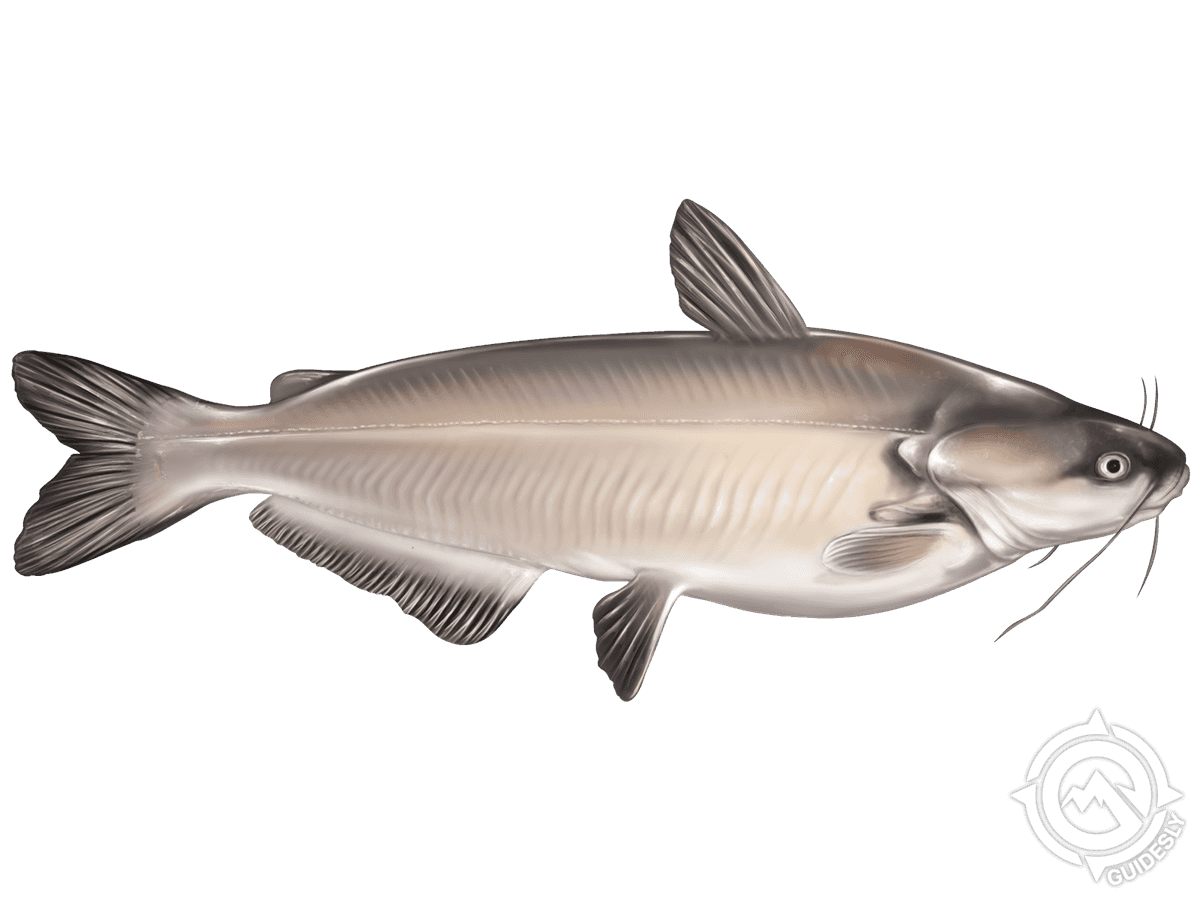
Blue Catfish are known for their slate-blue bodies. However, they are often mistaken for the Channel Catfish because of their appearance. To identify them, people usually count the rays on their fins. Blue Catfish only have 30-36 rays on their fins. Another is to look closely at the anal fin. Blue Catfish’s anal fin has a squared-off edge whereas Channel Catfish have a rounded anal fin. They also have a dorsal hump which the Channel Catfishes don’t really have.
Known also as Blue Cat, Blue Catfish have similar traits to that of their catfish cousins. They have a deeply forked tail which is where they got their scientific name. Blue Catfish also have a bit of an underbite, which makes them more prone to surface feeding. Blue Catfish, like all other catfish, have whisker-looking barbels that place them in the Catfish group.
Blue Catfish Diet and Size
Blue Catfish are terrifying hunters and are often described as opportunistic. Like their other catfish cousins, they eat virtually anything. Though, they have a preference for crawfish, some freshwater mussels, frogs, and other aquatic substances that are readily available. Larger Blue Catfish are also known to become predators of the Asian Carp.
Anglers usually notice the Blue Catfish feasting on some baitfish under a school of feeding Striped Bass. In a way, Blue Catfish act like scavengers when it comes to hunting for food.
Blue Catfishes are the largest among all the North American catfish species. Blue Catfish range between 25-46 inches and weigh at an average of 81.5 lbs.
Interesting Facts about the Blue Catfish
- Blue Catfish are considered pests in some states like Virginia.
- When anglers catch Blue Catfish, they’re usually told to kill them to cull their numbers.
- Blue Catfish love feeding on Blue Crabs which is detrimental to Virginia’s fisheries.
- Blue Catfish are so sturdy for their ability to handle brackish water.
- It has a low mortality rate due to its intimidating size and its success rate as a hunter.
- Because the population of Blue Catfish exploded, some people have even resorted to electrofishing.
- Electrofishing is a technique that scientists often use to stun or impair the fish.
- Doing this allows them to research more into the fish.
- However, some states have opted to use Electrofishing as a means of culling Blue Catfish. Some have caught around 700 Blue Catfish per hour!
- Electrofishing is a technique that scientists often use to stun or impair the fish.
Blue Catfish – Fishing Techniques: How to Fish for a Blue Catfish
Like any catfish, they prefer freshly-cut up bait. Having cut fresh bait has the blood of the bait drip into the water which will seduce the catfish via its taste receptors on its body. Once the Blue Catfish detects it, they’ll start heading to your bait. Some people have noted that herring, sardine, and even chicken liver will be a good bait for catching a Blue Catfish.
As for leaving your bait, let it sink all the way to the ground. Blue Catfish are opportunistic so they’re not going to attack a bait that’s constantly moving. Let it fall to the ground until you feel a nibble. Wait for a good 1-2 nibbles (though it depends on how much bait you put) before reeling it in.
Others use Electrofishing which uses a cathode and anode to attract them to you. Once they come to you, they’ll suffer a slight “stun” or shock but that doesn’t affect their meat quality. It will make it easier for you to catch though and you just might find yourself hauling out a lot.
Make sure you also bring leather gloves or gloves that have a lot of friction. They’re slimy and they will put up a fight so you’ll need gloves to have a good grip on these slippery creatures.
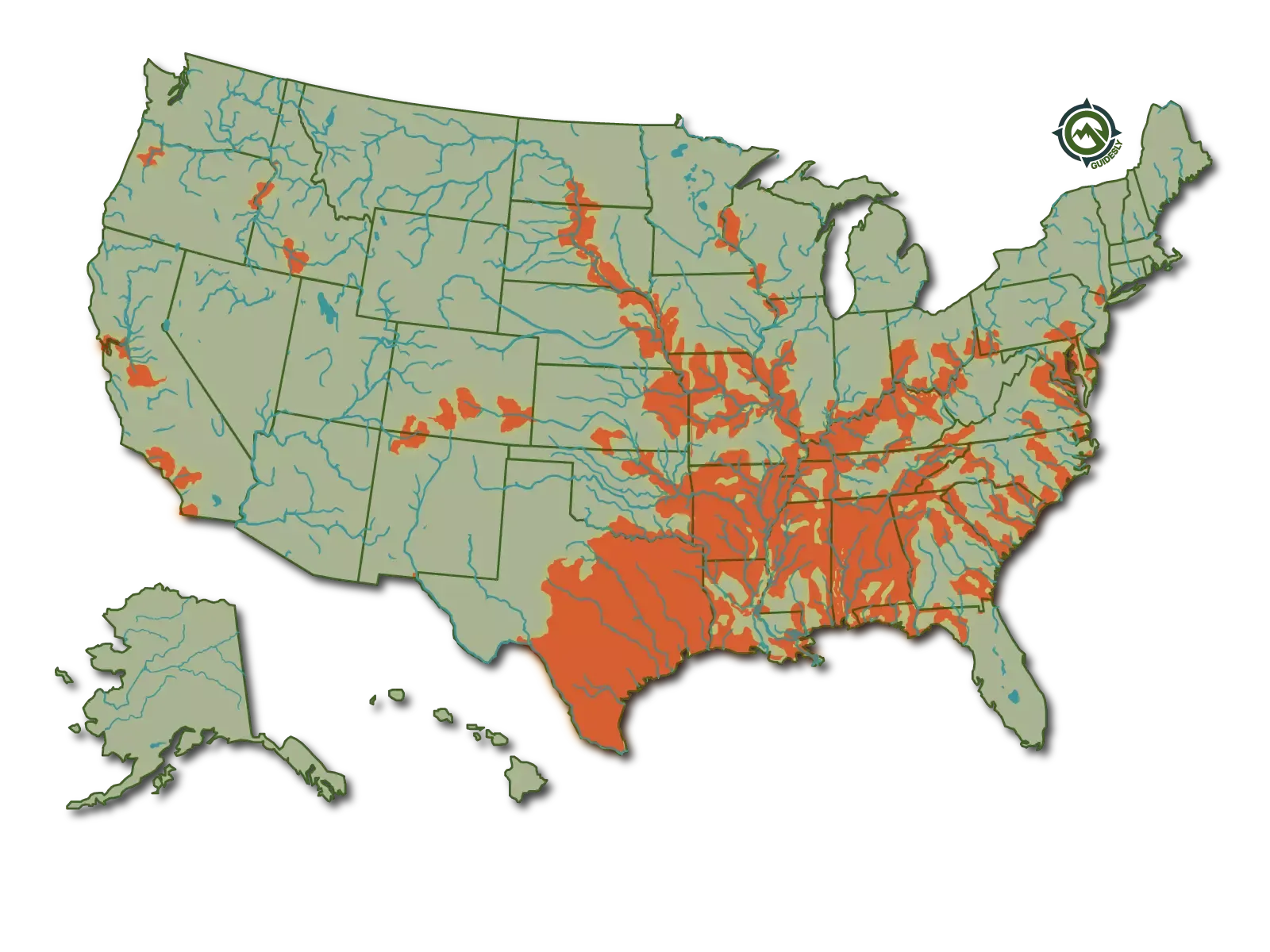
Blue Catfish Habitat and Distribution
The best place to start fishing for Blue Catfish is a place where they are considered pests. So, Virginia might be a good place to start.
Once there, start looking in lakes and rivers. Blue Catfish stay in those kinds of places but they do have a specific requirement: it has to be near some sort of tidal creek. Since Blue Catfishes follow the tides, they usually end up the creek and stay there especially if they found a channel or hole to their liking. The holes need to deep and have to be muddy at the bottom. Once, there you can give it a shot.
Channel Catfish
Channel Catfish (Ictalurus Punctatus) Fish Description
Channel Catfish are common gamefish. However, some people have a tendency to confuse them with the Walking Catfish (Clarias Batrachus). The channel catfish, also known as the channel cat, don’t really have scales but rather have soft and slippery bodies which are covered in slime. One of its most prominent features are its whiskers or barbels which extend its range of sight to make up for its poor vision.
While its rays are soft, the channel catfish have sharp dorsal and pectoral fins which can slash people if you’re not careful with it. The Channel Catfish have a forked tail, forming a deep letter “v”. They also have 24-29 anal fins. While they do appear black, they’re more of a light yellow, olivaceous color.
Channel Catfish Diet
Channel catfish are omnivorous. They usually feed at the bottom of natural waters, feasting on vegetations. But they also feed at the surface. Channel Catfish eat aquatic insects but as they grow older, they eat a variety of things such as insects, snails, crawfish, green algae, aquatic plants, seeds, and smaller fish.
The Channel Catfish normally detects food by using their sense of taste especially in cloudy waters.
Channel Catfish Size
Some Channel Catfish have shown up weighing between 40-50 lbs. However, the heaviest ever recorded was 58 lbs. Though, some already have said that a channel catfish weighing at 20 lbs is amazing. 10 pounds is already considered admirable.
Interesting Facts about the Channel Catfish
- A channel catfish’s body is covered with “taste buds”. They are also known to have a “swimming tongue”. Their bodies are so sensitive to amino acids – specifically L-Arginine and L-Alanine – which makes it easier to detect food.
- Channel Catfish grow best in warm environments.
- While Channel Catfish prefer clear waters, they’re okay too with muddy water.
- Channel Catfish are capable of communication, using sound waves as their primary mode of communication.
- Channel Catfish are known to be notoriously hard to kill. When selling them some people prefer snapping their necks. Others, they go with using a wooden plank with a nail. Despite hitting it multiple times, the Channel Catfish are still alive and need several hits until they’re dead.
Channel Catfish – Fishing Techniques: How to Fish for a Channel Catfish
When catching a Channel Catfish, some use a cheese-based fibrous bait. Others use minnows and worms. However, the most commonly used bait for Channel Cats is Stinkbait which are said to appeal only to Catfish. The biggest reason as to why this works is because of the scent. Usually, using cheese or stinkbait works because of the amino acids present that create a strong scent to attract them.
Having an extra long rod helps. A fishing rod around 7” to 7.6” help in getting them. By having a longer rod, it allows anglers more techniques such as pitching and flipping to get them on board. In choosing a longer rod, make sure it has a strong backbone to handle the weight of the Channel Catfish. Also, make sure you have sharp hooks. Channel Catfish, like their other cousins, have hard mouths so having a sharp hook to pierce through will be really good to get a good grip on them. Anglers prefer using big Treble Hooks to make sure they keep their Channel Catfish from escaping.
Once you get them, make sure you have a good grip on them. Catfish, due to their lack of scales, instead have slime. They can be quite slippery and their fins can slash you if you’re not careful.
Channel Catfish Habitat
Channel Catfish prefer living in reservoirs. They also live well in small and large lakes. Channel Catfish also love cavities. They usually hide their eggs in cavities in crevices, hollows, or debris to protect them from rushing currents.
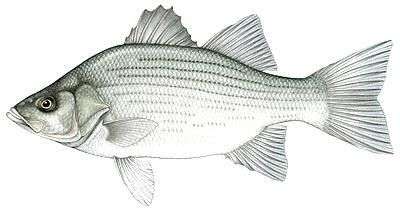
White Bass
White Bass (Morone chrysops) Fish Description
Also known as Sand Bass or Silver Bass, the White Bass is a member of the Moronidae or Bass Family.
As its name suggests, the White Bass is primarily colored silvery-white to pale green. Its back is darker, but its belly and sides are white. The White Bass has narrow and dark stripes along the sides of its belly. It has rough scales that are distinctively big; it possesses two dorsal fins. Its body is compressed laterally.
To identify White Bass, look for a lateral line with around 51 to 60 scales. This species also has dorsal fins numbering 12 to 14; anal fin rays, 11 to 14; pectoral fin ray, 15 to 17; and 20 to 25 gill rakers. Another characteristic of the White Bass is its prominent tooth patch near the tip of its tongue.
Diet and Size
As a carnivorous feeder, the White Bass has at least four favorite major diet options: the leptodora, daphnia, cyclopoid copepods, and calanoid copepods. White Bass are visual feeders who will readily bite any live bait especially minnows and worms.
The White Bass can measure up to 10 to 12 inches in length; some are even recorded to have reached 18 inches. Generally, they weigh up to 7 pounds.
Interesting Facts About the White Bass
- The White Bass is Oklahoma’s state fish.
- The White Bass has gained acclaim as a significant sport fish in Manitoba since it was introduced there in the 1960s.
- The White Bass has a “fake” spinous ray. It also has a homocercal tail.
- Female White Bass lay around 240,000 to 930,000 eggs; they spawn from mid-March to late May.
- One unusual mating ritual among the White Bass is how males bump against the female’s abdomen. After that, the female goes near the surface to begin spinning and releasing eggs.
White Bass — Fishing Techniques
The White Bass is very popular among recreational anglers; in fact, this is the fifth most favored species among licensed fishers from Texas.
Once you sight a school of White Bass, make sure to use spinners or spoons along the water surface to entice them. One other common method of luring them is by using bottom fishing at night; you can also utilize live bait.
You can use small jigs as artificial lures; a 1/8 ounce marabou jig should do the trick. For best results, use jigs that are black or white. If you go for soft plastic lures, try the tube bait, or a small jig head with a curly tail grub. One other lure you can utilize is a small jig packed with soft plastic swimbaits; you can have either the 1/8 or ¼ ounce jigs.
Be careful because White Bass are known to be aggressive fighters. However, this struggle may be worth it because of its exceptional taste.
Note that every state may have some regulations as to the size, length, and other factors related to capturing this fish.
White Bass Habitat and Distribution
The White Bass are fairly distributed in the US, especially in the Midwest. They are plenty around Lake Erie and Pennsylvania. Most of the White Bass population are native to Lake Poinsett, Detroit River, Arkansas River, the Great Lakes, and the Red River drainage. They also inhabit the lakes in Winnebago, Wisconsin and the rivers in Mississippi.
This species generally inhabits big rivers and shallow rivers, reservoirs, streams, and creeks. They are often found upstream where there are high densities.